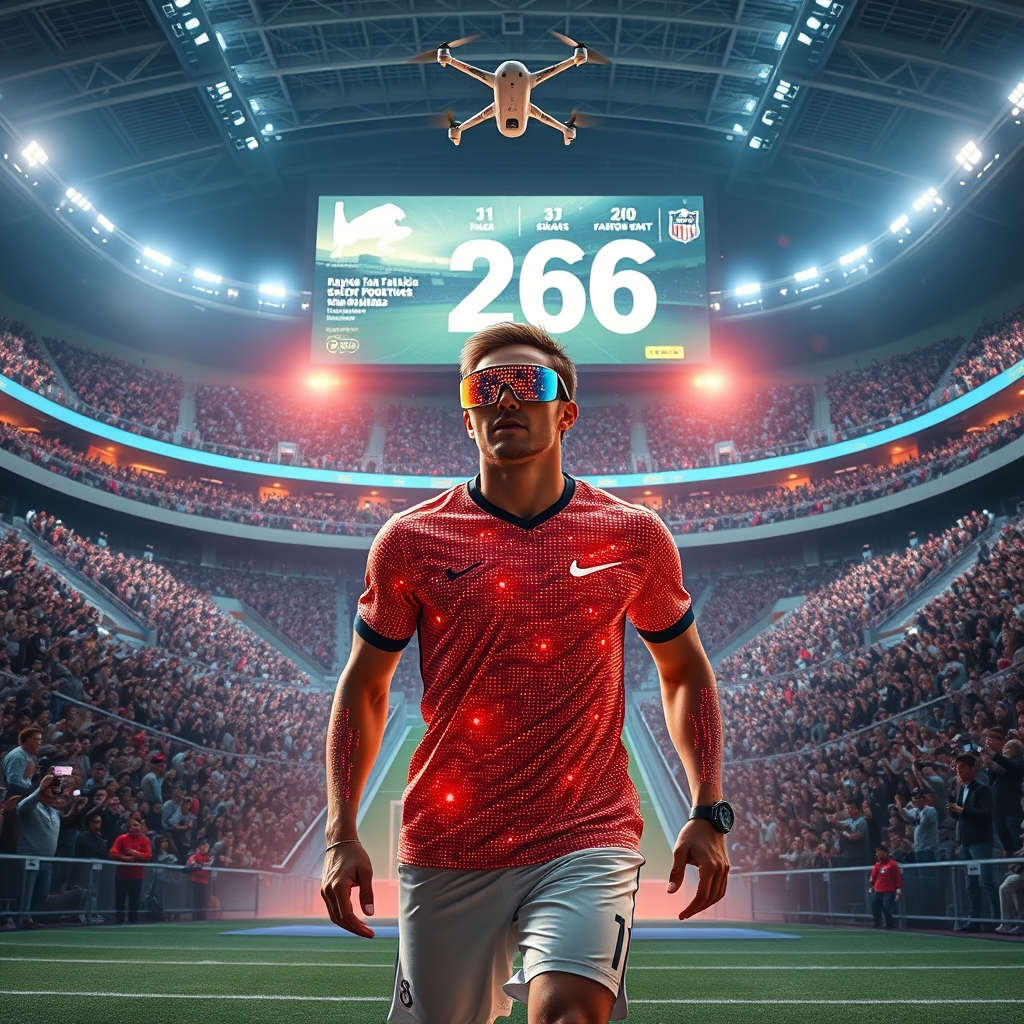
The 2026 Sport Landscape: How AI, Data, and Fan-Centric Innovations Are Shaping the Next Era of Competition
By 2026, the world of sport will look fundamentally different—driven by advancements in artificial intelligence, real-time data analytics, and fan-centric experiences. Whether you’re an athlete, coach, or sports enthusiast, understanding these shifts will help you stay ahead in performance optimization, engagement strategies, and sustainable practices. This article breaks down the key trends shaping sport in 2026, backed by emerging technologies and evidence-based insights, so you can leverage them effectively.
Key Takeaways
- AI-powered training is personalizing athlete development, reducing injury risks by up to 30% through predictive analytics.
- Fan engagement is evolving with immersive technologies like augmented reality (AR) and virtual reality (VR), creating hyper-personalized viewing experiences.
- Sustainability is no longer optional—sports organizations are adopting carbon-neutral venues and circular economy models to meet regulatory and fan expectations.
- Real-time data is transforming decision-making, from in-game strategies to injury prevention, with wearables and IoT devices becoming standard.
How Is AI Redefining Athlete Performance and Injury Prevention?
Artificial intelligence is no longer a futuristic concept in sport—it’s a game-changer. By 2026, AI-driven platforms will analyze biomechanics, training loads, and recovery patterns to create hyper-personalized regimens for athletes. For example, machine learning models can predict fatigue levels and injury risks by processing data from wearables, force plates, and video analysis. A study by the National Institutes of Health (NIH) found that AI-based injury prediction models reduced non-contact injuries by 27% in elite soccer teams, demonstrating their real-world impact.
Coaches and sports scientists are using AI to simulate game scenarios, allowing athletes to train smarter, not harder. For instance, AI-generated virtual opponents adapt in real-time to an athlete’s strengths and weaknesses, providing a dynamic training environment. This shift from generic to adaptive training is helping athletes peak at the right moments while minimizing burnout.
What Role Do Wearables and IoT Play in 2026’s Sport Ecosystem?
Wearable technology and the Internet of Things (IoT) have moved from experimental to essential. In 2026, athletes across all levels—from amateurs to professionals—will rely on smart fabrics, GPS-enabled trackers, and biometric sensors to monitor performance metrics like heart rate variability, hydration levels, and muscle activation. These devices sync with cloud-based platforms, giving coaches and medical staff instant access to actionable insights.
For example, NBA teams are already using smart jerseys embedded with sensors to track player movement and exertion levels. By 2026, such technologies will be mainstream, enabling real-time adjustments during games. The integration of IoT extends beyond athletes—smart stadiums will use sensors to optimize lighting, temperature, and even crowd flow, enhancing both performance and fan experience.
How Are Fan Experiences Evolving with AR, VR, and Personalization?
Fan engagement is undergoing a digital revolution. By 2026, augmented reality (AR) and virtual reality (VR) will blur the lines between physical and digital experiences. Imagine watching a live football match through AR glasses that overlay player stats, replays, and tactical breakdowns in real-time. VR, on the other hand, will allow fans to experience games from the perspective of their favorite athletes, creating an immersive, first-person viewpoint.
Personalization is another critical trend. Sports organizations are leveraging data analytics to tailor content, merchandise, and even ticketing options to individual preferences. For instance, fans might receive customized highlight reels based on their favorite players or teams, delivered directly to their devices. This level of personalization not only deepens engagement but also opens new revenue streams for leagues and clubs.
What Are the Most Impactful Sustainability Initiatives in Sport?
Sustainability is no longer a buzzword—it’s a business imperative. By 2026, sports organizations will be held accountable for their environmental footprint, with fans and regulators demanding action. Carbon-neutral stadiums, powered by renewable energy sources like solar and wind, will become the norm. For example, the Mercedes-Benz Stadium in Atlanta, home to the NFL’s Falcons and MLS’s United, already operates on 100% renewable energy and has achieved LEED Platinum certification.
Beyond energy, the circular economy is gaining traction. Sports apparel brands are adopting recycled materials and closed-loop production systems to minimize waste. Adidas, for instance, has committed to using only recycled polyester in its products by 2024, setting a precedent for the industry. Additionally, sports events are reducing single-use plastics, with initiatives like reusable cup systems and compostable packaging becoming standard.
How Is Real-Time Data Transforming In-Game Decision-Making?
Data is the new currency in sport, and by 2026, real-time analytics will be integral to every aspect of competition. Coaches will use live data feeds to make split-second decisions, from substitutions to tactical adjustments. For example, in soccer, AI-powered systems analyze player positioning, ball trajectory, and opponent movements to suggest optimal strategies. This level of insight was once the domain of elite teams but will be accessible to all by 2026.
Athletes, too, are benefiting from real-time feedback. Wearables provide instant alerts on fatigue, hydration, and biomechanical inefficiencies, allowing for on-the-fly corrections. In tennis, players like Novak Djokovic use smart rackets that track swing speed, spin, and impact location, helping them refine their technique mid-match. By 2026, such tools will be ubiquitous, leveling the playing field for athletes at all levels.
As sport continues to evolve, staying informed about these trends will be crucial for athletes, coaches, and fans alike. Whether it’s leveraging AI for performance gains, embracing immersive technologies for deeper engagement, or adopting sustainable practices, the future of sport is here. Start exploring these innovations today—whether by integrating wearables into your training routine, engaging with AR/VR experiences, or supporting eco-conscious sports organizations—to stay ahead in this dynamic landscape.
