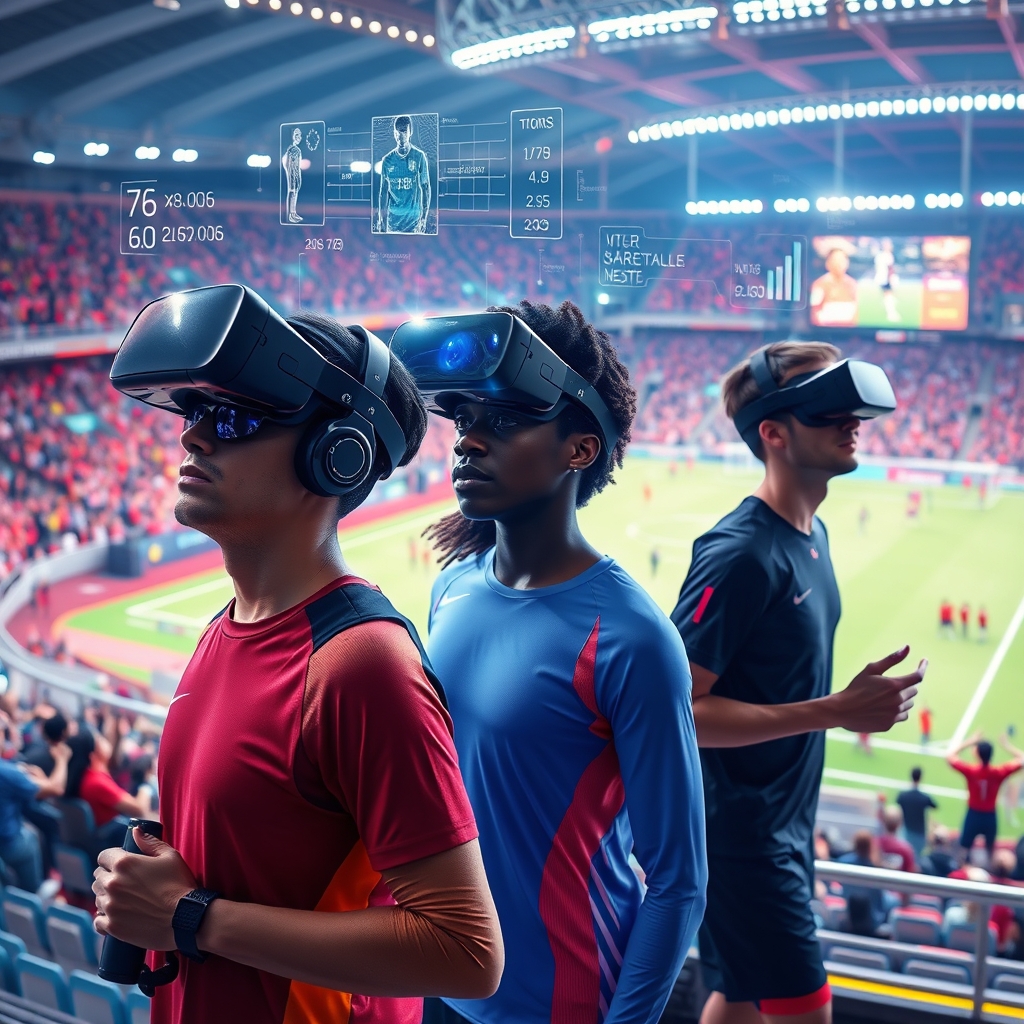
The Future of Sport in 2026: Trends, Innovations, and How to Stay Ahead
By 2026, the world of sport will look dramatically different—driven by technology, shifting fan behaviors, and a renewed focus on health and sustainability. Whether you’re an athlete, coach, business owner, or enthusiast, this guide will help you understand the key trends shaping the industry, how to leverage them, and what to expect in the next two years. From AI-powered training to immersive fan experiences, you’ll learn actionable insights to stay competitive and engaged.
Key Takeaways
- AI and data analytics will dominate athlete performance and injury prevention by 2026.
- Fan engagement will shift toward hybrid and metaverse experiences, blending physical and digital interactions.
- Sustainability will become a non-negotiable priority for leagues, teams, and events.
- Women’s sport will continue its rapid growth, with increased investment and media coverage.
How Will Technology Reshape Athlete Performance in 2026?
Artificial intelligence and wearable tech are no longer futuristic concepts—they’re essential tools in modern sport. By 2026, AI-driven analytics will provide real-time feedback on biomechanics, fatigue levels, and injury risk, allowing athletes to optimize training with unprecedented precision. For example, sensors embedded in equipment or clothing can track muscle activation and joint stress, helping coaches adjust workloads to prevent overuse injuries.
Recovery will also see major advancements. Cryotherapy, hyperbaric chambers, and AI-recommended recovery protocols will become standard for elite athletes. Even amateur and youth sports programs will adopt these technologies, thanks to cost reductions and improved accessibility. A 2023 study by the National Institutes of Health found that data-driven recovery plans reduced injury rates by up to 30%, a trend that will accelerate in the coming years.
What Role Will AI Play in Coaching and Strategy?
AI won’t replace coaches, but it will augment their decision-making. Machine learning models will analyze opponent tendencies, suggest in-game adjustments, and even simulate potential outcomes based on historical data. For instance, soccer teams already use AI to predict player movements and optimize set-piece strategies. By 2026, these tools will be refined further, offering deeper insights into player psychology and team dynamics.
Amateur athletes will benefit too. Apps powered by AI will provide personalized training plans, nutritional advice, and mental conditioning exercises. The democratization of these tools means that anyone, regardless of skill level, can train like a pro.
How Will Fan Engagement Evolve in the Next Two Years?
The way fans interact with sport is undergoing a seismic shift. Traditional TV broadcasts will remain relevant, but immersive experiences will take center stage. Virtual reality (VR) and augmented reality (AR) will allow fans to watch games from the perspective of their favorite players or even step onto the field during halftime. The metaverse will host virtual watch parties, where fans can gather in digital stadiums, interact with other spectators, and purchase exclusive NFT-based memorabilia.
Social media will continue to play a pivotal role, but the focus will shift toward short-form, interactive content. Platforms like TikTok and Instagram will prioritize behind-the-scenes access, athlete takeovers, and real-time polls during live events. Teams and leagues that embrace these formats will see higher engagement rates, particularly among younger audiences.
Will Live Events Still Matter in 2026?
Absolutely—but they’ll look different. Live events will become more experiential, with stadiums offering interactive zones, personalized concessions, and enhanced connectivity. For example, fans might use an app to order food delivered to their seats or participate in live trivia games during breaks. Sustainability will also shape the live experience, with venues adopting zero-waste policies, renewable energy sources, and carbon-neutral transportation options.
Why Is Sustainability the Next Big Priority in Sport?
By 2026, sustainability will no longer be a buzzword—it will be a core requirement for leagues, teams, and events. The environmental impact of sport is significant, from carbon emissions generated by travel to the waste produced by single-use plastics. Forward-thinking organizations are already taking action. For instance, the Paris 2024 Olympics aims to be the first climate-positive Games, with a focus on renewable energy, sustainable construction, and circular economy principles.
Teams will adopt eco-friendly practices, such as using recycled materials for uniforms, installing solar panels in stadiums, and offering plant-based food options. Fans will also play a role, with many opting for public transportation or carpooling to events. Brands that align with these values will gain a competitive edge, as consumers increasingly support companies with strong environmental credentials.
How Can Athletes and Teams Prepare for These Changes?
For athletes, staying ahead means embracing technology and prioritizing holistic well-being. Investing in wearable tech, working with sports scientists, and adopting data-driven training methods will be essential. Mental health will also take center stage, with more athletes speaking openly about their struggles and seeking support.
Teams and leagues should focus on three key areas: fan engagement, sustainability, and innovation. Building a strong digital presence, experimenting with immersive technologies, and committing to eco-friendly practices will future-proof their operations. Partnerships with tech companies and sustainability experts will be crucial for staying competitive.
The next two years will bring unprecedented opportunities for those willing to adapt. Whether you’re an athlete looking to optimize performance, a fan seeking deeper connections, or a business aiming to capitalize on industry trends, the future of sport is bright—if you’re prepared to embrace it. Start by identifying one area where you can innovate, whether it’s adopting new technology, reducing your environmental footprint, or enhancing fan experiences. The time to act is now.
