The Future of Sport in 2026: Trends, Innovations, and How to Stay Ahead
By 2026, the world of sport will be shaped by cutting-edge technology, evolving fan engagement, and a stronger focus on athlete well-being. Whether you’re an athlete, coach, or enthusiast, this guide will help you understand the key trends transforming sports—from performance analytics to sustainability initiatives—and how to leverage them for success. You’ll learn about emerging technologies, shifting fan behaviors, and actionable strategies to stay competitive in an increasingly digital and data-driven landscape.
Key Takeaways
- AI and wearables will dominate athlete performance tracking, offering real-time insights for training optimization.
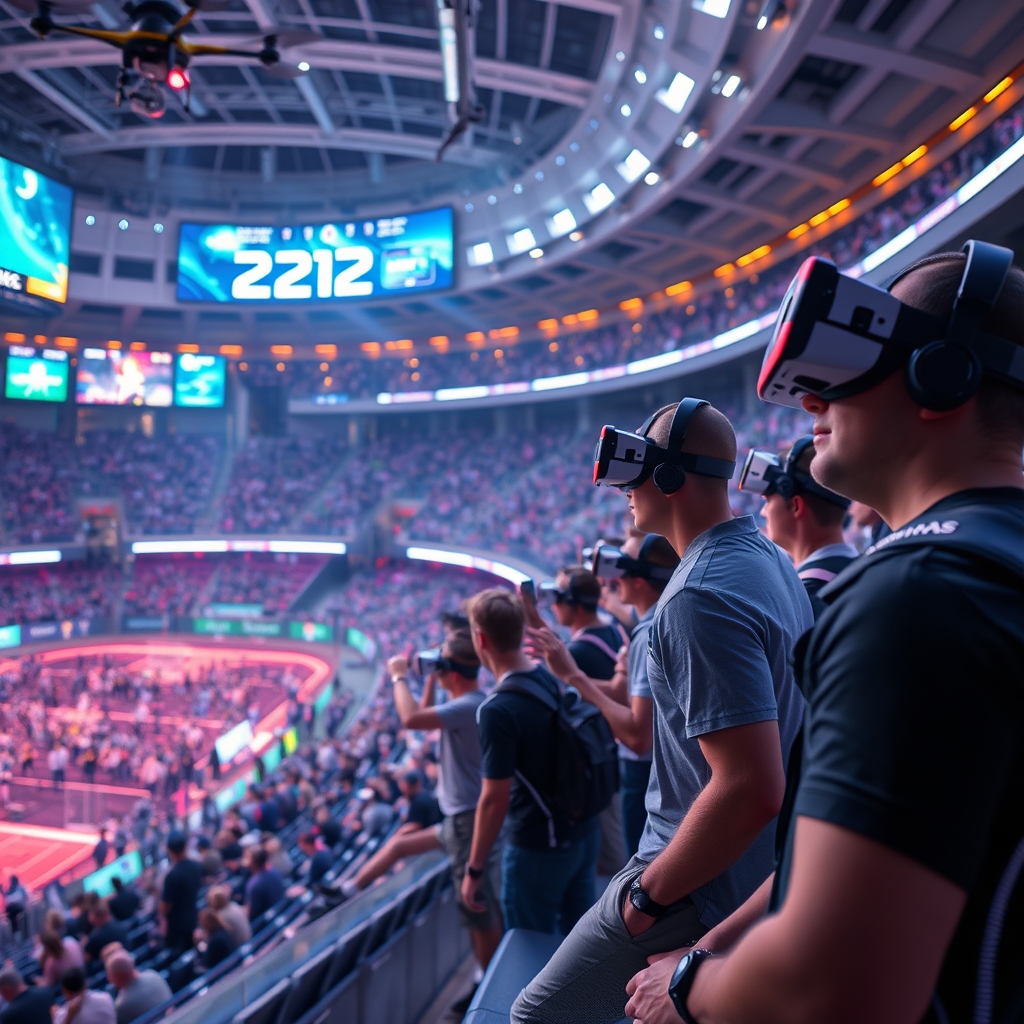
- Fan engagement will shift toward immersive experiences, including VR broadcasts and interactive social media integrations.
- Sustainability in sport will become non-negotiable, with leagues and teams adopting eco-friendly practices to reduce carbon footprints.
- Esports will continue blurring the lines with traditional sports, creating new opportunities for cross-industry collaboration.
How Will Technology Redefine Athlete Performance in 2026?
Artificial intelligence (AI) and machine learning are revolutionizing how athletes train, recover, and compete. Wearable devices, such as smart fabrics and biometric sensors, now provide granular data on muscle fatigue, hydration levels, and injury risk. For example, the integration of AI in sports science has shown a 15-20% improvement in injury prediction accuracy, allowing teams to tailor training programs with unprecedented precision.
Beyond wearables, motion-capture technology and computer vision are enabling coaches to analyze technique in real time. Platforms like Hawk-Eye and Dartfish are already used in tennis and soccer, but by 2026, these tools will be standard across all levels of competition. The result? Faster skill development and reduced injury rates.
What Does the Future of Fan Engagement Look Like?
Gone are the days when fans passively watched games on TV. In 2026, immersive experiences will dominate, with virtual reality (VR) and augmented reality (AR) transforming how audiences interact with sports. The NFL’s partnership with Meta to broadcast games in VR is just the beginning—expect leagues to offer 360-degree replays, player-cam views, and even interactive betting integrations.
Social media will also play a bigger role, with platforms like TikTok and Instagram becoming primary hubs for highlights, behind-the-scenes content, and athlete-driven storytelling. Teams that prioritize fan personalization—such as customized content feeds and loyalty rewards—will see higher engagement and revenue growth.
Why Is Sustainability Becoming a Core Focus in Sport?
The sports industry is under pressure to reduce its environmental impact, and by 2026, sustainability will be a key differentiator for leagues and teams. The International Olympic Committee (IOC) has already committed to making the Olympics carbon-neutral by 2030, with interim targets set for 2026. Initiatives include using renewable energy for stadiums, eliminating single-use plastics, and promoting public transportation for fans.
Brands are also taking notice. Nike’s
