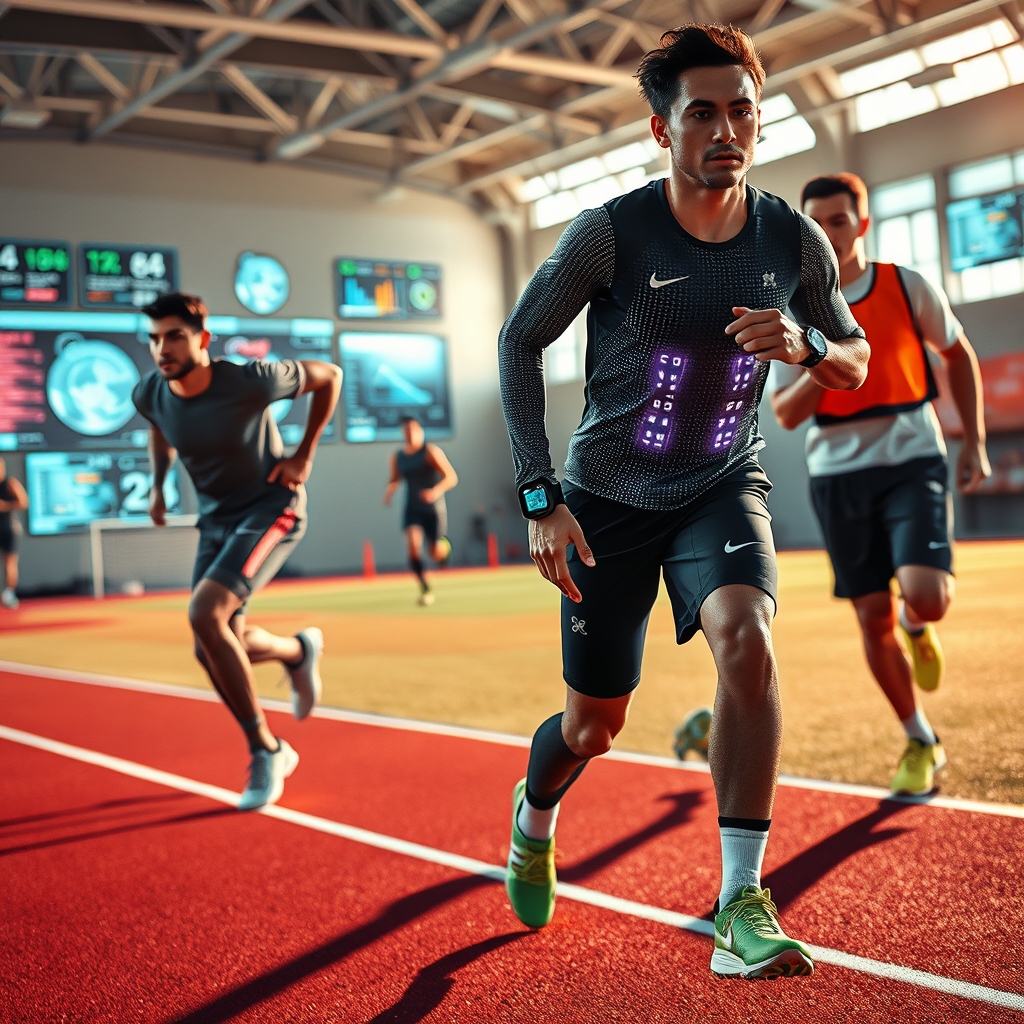
From Data to Dominance: How Sports Technology & Wearable Performance Gear Are Redefining Competitive Edge
Imagine stepping onto the field, court, or track with a secret weapon—one that doesn’t just track your performance but actively elevates it. That’s the power of sports technology and wearable performance gear, a game-changing fusion of innovation and athleticism that’s reshaping how athletes train, compete, and recover. Whether you’re a weekend warrior or a professional competitor, these tools are no longer optional; they’re essential for anyone serious about pushing their limits.
The Evolution of Sports Technology: More Than Just Gadgets
Sports technology has come a long way from the days of stopwatches and basic heart rate monitors. Today, wearable performance gear integrates advanced sensors, AI-driven analytics, and real-time feedback to provide insights that were once unimaginable. These devices don’t just measure speed, distance, or calories burned—they dissect biomechanics, track fatigue levels, and even predict injury risks before they happen.
For example, smart fabrics embedded with micro-sensors can monitor muscle activation patterns, helping athletes optimize their form mid-workout. Meanwhile, GPS-enabled wearables offer granular data on movement efficiency, allowing coaches to fine-tune strategies with precision. The result? Training becomes smarter, not just harder.
Why Athletes Are Embracing Wearable Performance Gear
The adoption of wearable performance gear isn’t just a trend—it’s a necessity in modern sports. Elite athletes rely on these tools to gain a competitive edge, but even casual fitness enthusiasts are reaping the benefits. Here’s why:
- Personalized Training: Wearables adapt to an athlete’s unique physiology, offering customized recommendations based on real-time data. Whether it’s adjusting intensity or suggesting recovery protocols, these devices act as a 24/7 coach.
- Injury Prevention: Overuse injuries are a major setback for athletes. Wearable tech can detect early signs of strain, such as imbalances in gait or excessive load on joints, allowing for proactive adjustments before minor issues become major problems.
- Performance Optimization: From sleep tracking to hydration monitoring, wearables provide a holistic view of an athlete’s well-being. This data-driven approach ensures that every aspect of training aligns with peak performance goals.
Breaking Down the Best Wearable Performance Gear on the Market
Not all wearable performance gear is created equal. The best devices combine accuracy, durability, and actionable insights. Here’s a look at some of the top contenders across different categories:
1. Smartwatches and Fitness Trackers
Devices like the Garmin Forerunner 965 and Apple Watch Series 9 go beyond basic step counting. They offer advanced metrics like VO2 max estimation, training readiness scores, and even ECG monitoring. For endurance athletes, these features are invaluable for tracking progress and avoiding burnout.
2. Biomechanics Sensors
Companies like Stridalyzer and Catapult specialize in wearable sensors that analyze movement patterns. These devices attach to shoes, clothing, or even directly to the body, providing feedback on everything from running form to jump mechanics. For team sports, this data helps coaches optimize player positioning and reduce injury risks.
3. Smart Clothing
Brands like Hexoskin and Athos have pioneered smart apparel that monitors muscle activity, breathing rates, and heart rate variability. These garments are particularly useful for athletes who prefer minimalist wearables or need continuous monitoring without bulky devices.
4. Recovery Tech
Recovery is just as important as training, and wearables like Whoop Strap 4.0 and Oura Ring focus on this critical aspect. They track sleep quality, stress levels, and recovery metrics, helping athletes understand when to push harder and when to rest.
How Sports Technology is Changing the Game for Coaches and Teams
Wearable performance gear isn’t just for individual athletes—it’s transforming how teams operate. Coaches now have access to a wealth of data that allows them to make informed decisions on player rotations, training loads, and game strategies. For example:
- Load Management: In sports like basketball and soccer, wearables track player exertion levels to prevent fatigue-related injuries. This data helps coaches balance starters’ minutes and keep key players fresh for critical moments.
- Tactical Adjustments: GPS vests and heart rate monitors provide real-time feedback on player positioning and effort levels. Coaches can use this information to tweak formations or substitute players based on objective data rather than intuition.
- Scouting and Recruitment: Wearable data is increasingly used in player evaluations. Scouts can assess an athlete’s potential by analyzing their biomechanics, endurance, and recovery patterns, leading to more informed draft or transfer decisions.
The Future of Sports Technology: What’s Next?
The next frontier of sports technology and wearable performance gear is already taking shape. Advances in AI, machine learning, and nanotechnology are paving the way for even more sophisticated tools. Here’s what to watch for:
1. AI-Powered Predictive Analytics
Imagine a wearable that not only tracks your performance but also predicts your future capabilities. AI-driven platforms are being developed to forecast an athlete’s potential based on historical data, helping them set realistic goals and avoid plateaus.
2. Augmented Reality (AR) Training
AR glasses and headsets are being tested to overlay real-time data onto an athlete’s field of vision. For example, a quarterback could see defensive formations highlighted in real time, or a sprinter could receive instant feedback on their stride length during a race.
3. Nanotechnology in Wearables
Nanotech is making wearables smaller, more accurate, and less intrusive. Future devices could be embedded in skin patches or even tattooed onto the body, providing continuous monitoring without the need for external hardware.
4. Environmental Adaptation
Wearables are starting to account for external factors like altitude, temperature, and humidity. This data helps athletes adjust their training and hydration strategies to perform optimally in any condition.
Making the Most of Your Wearable Performance Gear
Investing in sports technology is only the first step. To truly benefit from wearable performance gear, athletes and coaches need to know how to use the data effectively. Here’s how to get the most out of these tools:
- Set Clear Goals: Whether it’s improving endurance, reducing injury risk, or refining technique, define what you want to achieve with your wearable. This focus will guide how you interpret the data.
- Consistency is Key: Wearables provide the best insights when used regularly. Make them a non-negotiable part of your training routine to track progress over time.
- Work with Experts: If you’re new to sports technology, consider consulting a coach or sports scientist to help interpret the data. They can provide context and actionable recommendations tailored to your needs.
- Listen to Your Body: While data is powerful, it’s not infallible. Pay attention to how you feel and use the insights from your wearable as a complement to your intuition, not a replacement.
The fusion of sports technology and wearable performance gear is more than a trend—it’s a revolution. By leveraging these tools, athletes at every level can train smarter, recover faster, and compete harder. The question isn’t whether you can afford to adopt this technology, but whether you can afford not to. The future of sports is here, and it’s data-driven. Are you ready to step into it?
