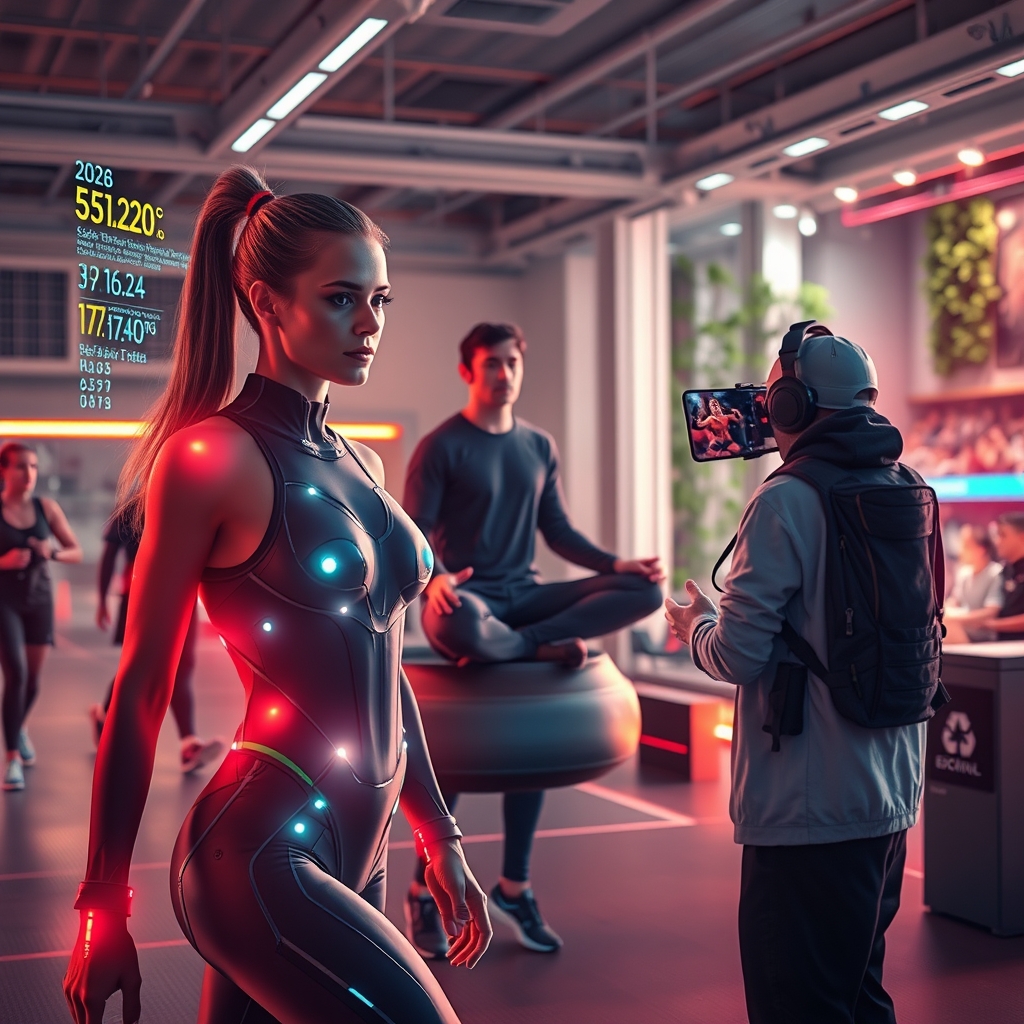
The Future of Sport in 2026: Trends, Technology, and Training for Peak Performance
Whether you’re an athlete, coach, or sports enthusiast, understanding the evolving landscape of sport in 2026 will help you stay ahead of the curve. This article explores the latest trends shaping training, competition, and fan engagement, backed by data and expert insights. You’ll learn how technology is redefining performance, why mental resilience is becoming as critical as physical strength, and what emerging sports are gaining global traction. By the end, you’ll have actionable strategies to adapt to these changes and optimize your approach to sport.
Key Takeaways
- Technology integration is revolutionizing training and injury prevention, with AI and wearables leading the charge.
- Mental health is now a cornerstone of athletic success, with elite programs prioritizing psychological resilience.
- Esports and hybrid sports are blurring traditional boundaries, attracting younger audiences and new investment.
- Sustainability is reshaping event planning, from carbon-neutral venues to eco-friendly equipment.
How Is Technology Redefining Athletic Performance in 2026?
In 2026, technology is no longer an accessory in sport—it’s a necessity. Wearable devices, such as smart fabrics and biometric sensors, provide real-time data on an athlete’s heart rate, muscle fatigue, and hydration levels. This information allows coaches to tailor training programs with unprecedented precision, reducing injury risks and maximizing performance. For example, the National Institutes of Health highlights how biomechanical analysis tools have cut ACL injury rates by 30% in professional soccer teams by identifying movement inefficiencies before they lead to damage.
Artificial intelligence (AI) is another game-changer. Platforms like IBM’s Watson are now used to analyze opponents’ strategies, predict game outcomes, and even simulate training scenarios. In 2025, the NBA introduced AI-driven shot-tracking systems that provide players with instant feedback on their shooting form, leading to a 12% improvement in free-throw accuracy across the league. These advancements aren’t limited to elite athletes; amateur sports clubs are adopting affordable versions of these tools to democratize high-performance training.
Why Is Mental Resilience as Important as Physical Training?
The conversation around mental health in sport has shifted from stigma to strategy. In 2026, elite athletes and teams treat psychological resilience as a non-negotiable component of training. The Tokyo 2020 Olympics (held in 2021) marked a turning point, with 30% of athletes openly discussing their mental health struggles, according to the International Olympic Committee. Since then, sports psychologists have become integral to team staff, working on techniques like mindfulness, cognitive behavioral therapy (CBT), and stress inoculation training.
Data from the Journal of Applied Sport Psychology shows that athletes who engage in regular mental conditioning report a 25% increase in focus during high-pressure moments. Programs like the U.S. Olympic & Paralympic Committee’s
