Unlocking Peak Performance: The Power of Sports Technology & Wearable Gear
Are you an athlete looking for an edge, or a fitness enthusiast striving for new personal bests? The world of sports is undergoing a monumental transformation, largely driven by cutting-edge Sports Technology & Wearable Performance Gear. These innovations are not just gadgets; they are powerful tools reshaping how athletes train, compete, and recover, offering insights previously unimaginable. Embracing these advancements can elevate your potential and redefine what you thought was possible.
The Revolution of Wearable Performance Gear
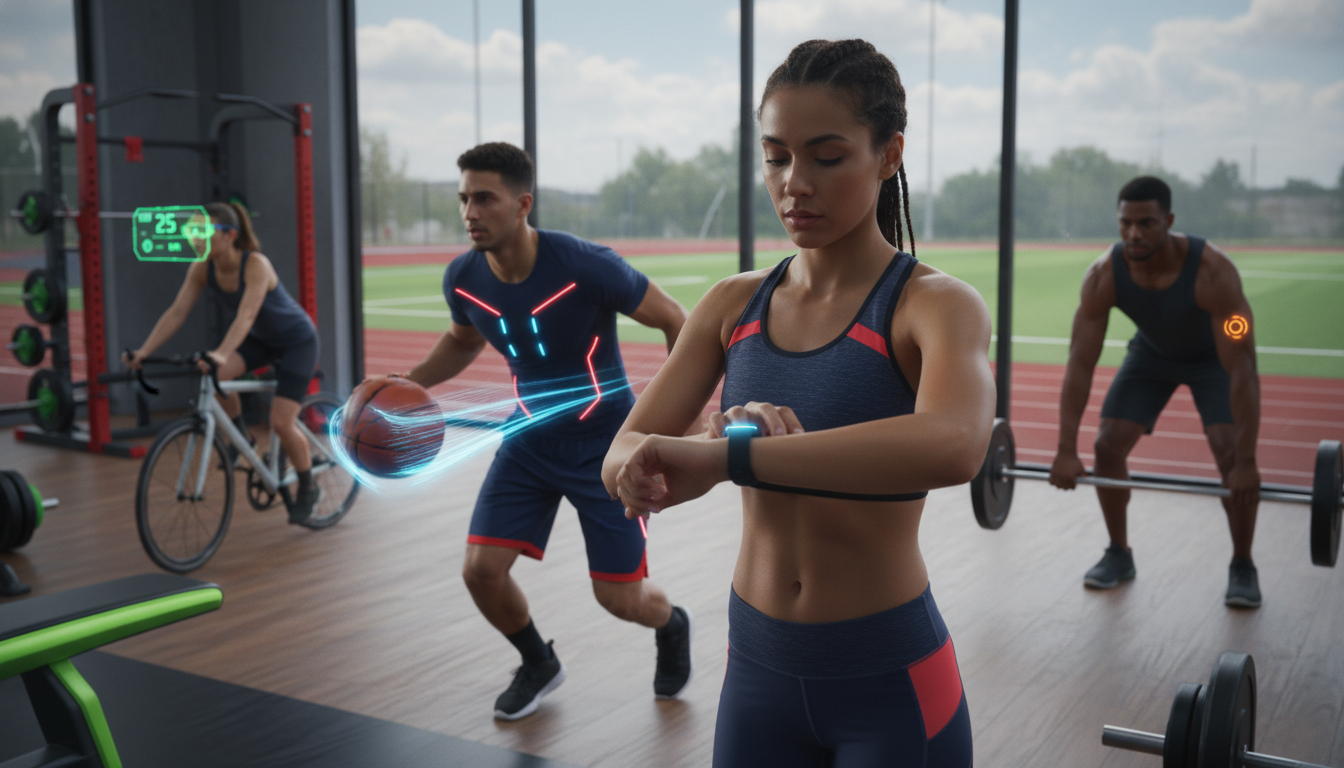
Smartwatches, fitness trackers, and smart apparel have become ubiquitous, fundamentally changing how athletes monitor their bodies. These devices continuously track crucial metrics like heart rate zones, GPS location, sleep patterns, and calorie expenditure, providing a comprehensive, real-time physiological snapshot. This constant stream of data empowers users, from casual joggers to elite competitors, to make increasingly informed decisions about their training load, recovery needs, and overall lifestyle.
Moving beyond basic tracking, advanced wearable performance gear now incorporates specialized sensors embedded directly into clothing, headbands, or adhesive patches. These sophisticated tools can measure complex biomechanical data, such as muscle oxygenation during exertion, lactic acid accumulation, or even provide real-time form analysis for activities like running, swimming, or weightlifting. Such granular feedback is invaluable for fine-tuning technique, optimizing effort, and crucially, preventing overtraining or inefficient movement patterns that can lead to injury.
Data-Driven Training and Injury Prevention
The true transformative power of sports technology lies in its ability to convert raw data into highly actionable insights. Athletes and their coaches can meticulously analyze performance trends over weeks and months, pinpointing periods of peak readiness, identifying burgeoning fatigue, or even predicting potential performance plateaus. This data-driven approach allows for the creation of hyper-personalized training programs, minimizing guesswork and maximizing every session’s efficiency and impact.
Furthermore, the continuous, objective monitoring facilitated by these devices significantly bolsters injury prevention strategies. By detecting subtle, often imperceptible changes in an athlete’s gait, movement patterns, or key recovery metrics like heart rate variability, coaches can proactively intervene. This early detection allows for adjustments to training or targeted interventions before minor issues escalate into debilitating injuries, keeping athletes healthier, more resilient, and consistently engaged in their sport.
Advanced Sports Technology Beyond the Wrist
While personal wearables are a cornerstone, the broader scope of sports technology extends far beyond what’s worn on the body. Smart equipment, such as connected basketballs, golf clubs, or tennis racquets, provides detailed analytics on speed, spin, impact force, and trajectory. This immediate, objective feedback loop allows athletes to refine specific skills with unprecedented precision, bridging the gap between intuitive feel and measurable, quantifiable improvement during practice.
High-speed video analysis and sophisticated motion capture systems are indispensable tools, particularly for elite athletes striving for marginal gains. These technologies can break down complex movements frame by frame, revealing minute inefficiencies, biomechanical flaws, or areas for improvement that are utterly invisible to the human eye. Moreover, emerging virtual reality (VR) and augmented reality (AR) simulations are creating dynamic, immersive training environments, allowing athletes to practice game scenarios, refine decision-making, or even rehabilitate injuries in a controlled, yet realistic, digital space without physical strain.
Optimizing Recovery and Mental Fortitude
Performance isn’t solely about the intensity of training; effective recovery is equally, if not more, critical for sustained success. Modern wearable performance gear offers sophisticated recovery tracking, meticulously monitoring sleep quality, heart rate variability (HRV), and physiological stress levels. This comprehensive data helps athletes and their support teams truly understand their body’s readiness for subsequent efforts, enabling them to optimize rest periods, nutrition, and other recovery protocols, ensuring they bounce back stronger and more prepared.
Beyond the physical, technology is increasingly playing a pivotal role in enhancing mental performance. Biofeedback devices can assist athletes in regulating their physiological responses to stress, improving focus, and cultivating a calmer state under pressure. Complementary apps offer guided meditation, visualization exercises, and cognitive training programs. Integrating these tools fosters a truly holistic approach to athletic development, addressing both the intricate physical demands and the crucial psychological resilience required for peak performance.
The Future Landscape of Athletic Innovation
The relentless pace of innovation in sports technology shows no signs of abating. We can anticipate the emergence of even more hyper-personalized feedback systems, intricately driven by artificial intelligence and machine learning. These intelligent platforms will not only track but also predict performance plateaus, identify subtle signs of overtraining, or even forecast injury risks well before they manifest. Furthermore, the integration of an individual’s genetic data with their performance metrics holds the potential to unlock entirely new, unprecedented levels of individualized training and nutritional strategies.
Continuing miniaturization, coupled with significant advancements in battery life and wireless charging, will make wearable performance gear even more seamless, comfortable, and less intrusive. Imagine smart textiles that dynamically adapt to body temperature, provide targeted compression, or even deliver localized therapeutic interventions directly. The exciting convergence of biology, data science, and engineering will continue to blur the traditional boundaries between human potential and technological enhancement, consistently pushing the limits of what athletes can achieve.
Embracing these advanced tools means stepping into an exhilarating era where every athlete, from the aspiring amateur to the seasoned professional, can access unparalleled, objective insights into their body and performance. By thoughtfully leveraging the transformative power of modern sports technology and wearable performance gear, you gain the ability to meticulously refine your training methodologies, significantly enhance your recovery protocols, and ultimately unlock new, sustained levels of achievement. This approach ensures a smarter, safer, and profoundly more effective path towards realizing and exceeding your most ambitious athletic goals.
