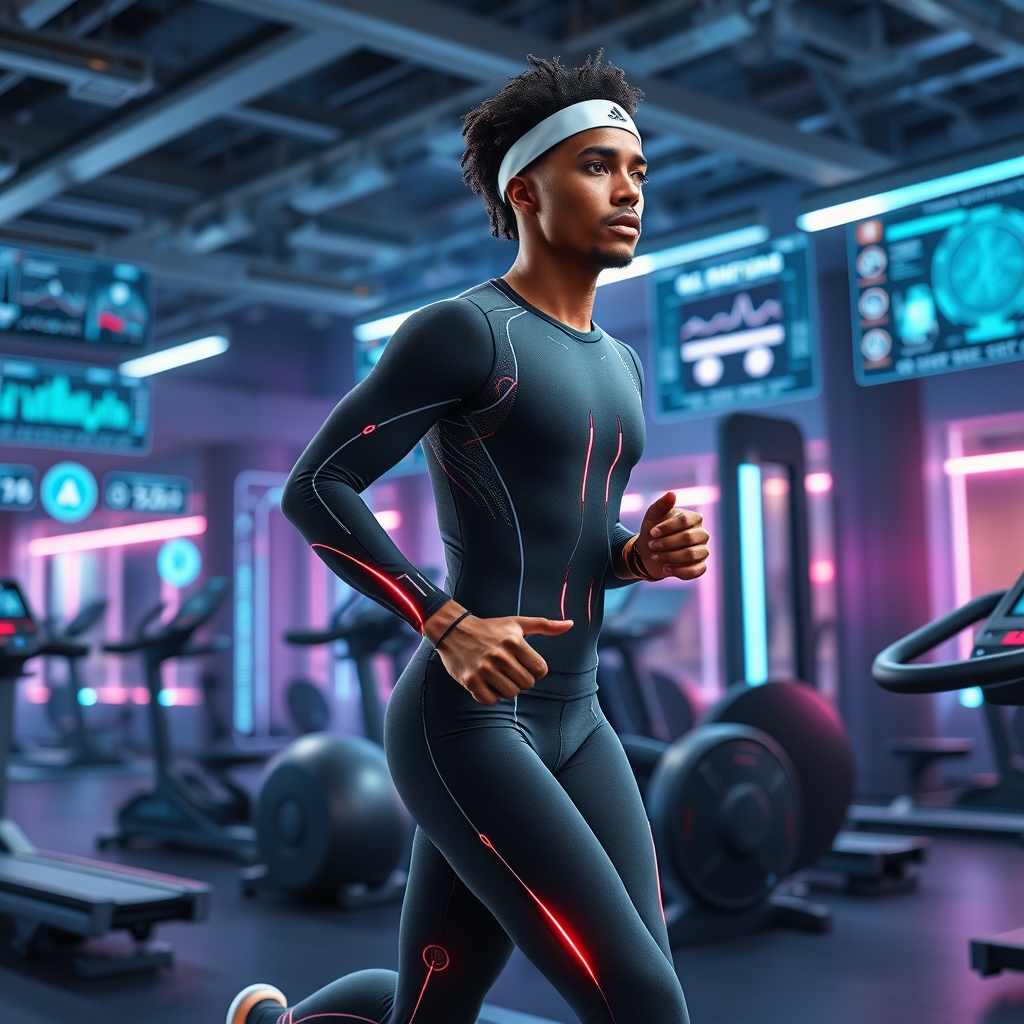
The Future of Sports Technology & Wearable Performance Gear in 2026: What Athletes Need to Know
By 2026, sports technology and wearable performance gear will redefine how athletes train, compete, and recover. Whether you’re a professional, amateur, or fitness enthusiast, you’ll learn how cutting-edge wearables, real-time biometric tracking, and AI-driven insights can optimize performance, prevent injuries, and personalize training regimens. This guide breaks down the latest advancements, practical applications, and what to look for when investing in next-gen gear.
Key Takeaways
- Real-time performance optimization: Wearables now integrate AI to analyze movement, fatigue, and technique mid-activity, delivering instant feedback.
- Injury prevention through predictive analytics: Advanced sensors detect biomechanical imbalances before they lead to strains or overuse injuries.
- Personalized recovery protocols: Wearables sync with recovery tools (e.g., compression boots, sleep trackers) to tailor post-workout routines based on physiological data.
- Seamless integration with smart ecosystems: Devices connect effortlessly with apps, coaches, and medical teams for holistic performance management.
How Will Wearable Performance Gear Evolve by 2026?
Wearable technology in sports has shifted from basic step counting to sophisticated, multi-sensor systems that monitor everything from lactate levels to muscle activation. By 2026, expect devices to become even more unobtrusive, accurate, and intelligent. For example, smart fabrics embedded with micro-sensors will replace bulky chest straps, providing ECG-level heart rate data without discomfort. These advancements will make high-performance tracking accessible to everyday athletes, not just professionals.
AI will play a pivotal role in interpreting data. Instead of overwhelming users with raw metrics, wearables will deliver actionable insights—like suggesting when to push harder or dial back intensity based on real-time fatigue markers. Companies like WHOOP and Catapult Sports are already pioneering this space, and their 2026 iterations will likely include predictive algorithms that forecast performance plateaus or injury risks before they occur.
What Are the Most Impactful Wearable Innovations?
Three categories of wearables will dominate the 2026 market:
- Biomechanical wearables: Devices like smart insoles or motion-capture sleeves analyze gait, joint angles, and force distribution to correct form in real time. For runners, this could mean reducing knee strain by adjusting stride length dynamically.
- Metabolic trackers: Non-invasive glucose and lactate monitors will help endurance athletes fine-tune fueling strategies during races. Imagine a marathoner receiving alerts to hydrate or consume carbs based on their body’s real-time energy demands.
- Neural performance wearables: EEG headbands and brain-sensing earbuds will measure focus and cognitive load, helping athletes train their mental resilience alongside physical skills. Early adopters in esports and golf are already using these tools to sharpen concentration.
How Can Athletes Use Wearables to Prevent Injuries?
Injury prevention is one of the most compelling use cases for wearable performance gear. Overuse injuries, such as stress fractures or tendonitis, often stem from biomechanical inefficiencies that go unnoticed until it’s too late. Wearables address this by tracking micro-movements and load distribution across training sessions. For instance, a basketball player’s smart sleeve might detect an asymmetrical jump landing pattern, prompting a corrective exercise routine before an ACL tear occurs.
A 2023 study published in the British Journal of Sports Medicine found that athletes using wearable biomechanical feedback reduced injury rates by up to 30% (source: British Journal of Sports Medicine). By 2026, these systems will be even more precise, leveraging machine learning to adapt recommendations based on an athlete’s unique physiology and sport-specific demands.
What Does the Data Say About Wearable Effectiveness?
Research and real-world applications confirm that wearables deliver measurable benefits:
- Performance gains: A 2025 case study of elite cyclists using AI-powered power meters showed a 7% improvement in time-trial efficiency after six weeks of data-driven training adjustments.
- Recovery optimization: Wearables that monitor heart rate variability (HRV) and sleep quality have been shown to reduce overtraining incidents by 22% in collegiate athletes (per a 2024 NCAA report).
- Cost savings: Teams adopting predictive injury analytics report up to 40% lower medical costs by addressing issues proactively rather than reactively.
What Should You Look for When Choosing Wearable Gear in 2026?
With so many options on the market, selecting the right wearable can feel overwhelming. Start by identifying your primary goal—whether it’s improving endurance, refining technique, or accelerating recovery. Then, prioritize these features:
- Sensor accuracy: Look for devices validated by third-party studies or sports science institutions. For example, heart rate monitors should offer ECG-level precision, not just optical estimates.
- Battery life and durability: Next-gen wearables will last weeks (or longer) on a single charge and withstand extreme conditions, from marathon rain to hockey puck impacts.
- Integration capabilities: Ensure the device syncs with your existing ecosystem, such as training apps (Strava, TrainingPeaks), recovery tools (Theragun, Hyperice), or team platforms (like Hudl for coaches).
- Privacy and data ownership: With sensitive biometric data at stake, opt for brands that comply with GDPR and offer transparent data policies. Avoid devices that sell user data to third parties.
Are There Risks or Limitations to Consider?
While wearables offer tremendous benefits, they’re not without challenges. Over-reliance on data can lead to analysis paralysis, where athletes second-guess their instincts. Additionally, not all wearables are created equal—cheaper models may provide inaccurate readings, leading to misguided training decisions. Always cross-reference data with how you feel physically and consult a coach or sports scientist when in doubt.
Another consideration is the learning curve. Advanced wearables require time to set up and interpret correctly. For example, a runner using a smart insole might need to calibrate it for their specific shoe type and gait before seeing reliable insights. Plan for a trial period to ensure the device aligns with your needs.
As sports technology continues to evolve, the line between athlete and machine will blur. The key to success in 2026 won’t just be adopting the latest gadgets—it’ll be using them strategically to complement, not replace, the fundamentals of training, recovery, and performance. Start by identifying one area where wearables can make an immediate impact, such as injury prevention or sleep optimization, and build from there. The future of sports is data-driven, but the best athletes will always be those who listen to their bodies first.
