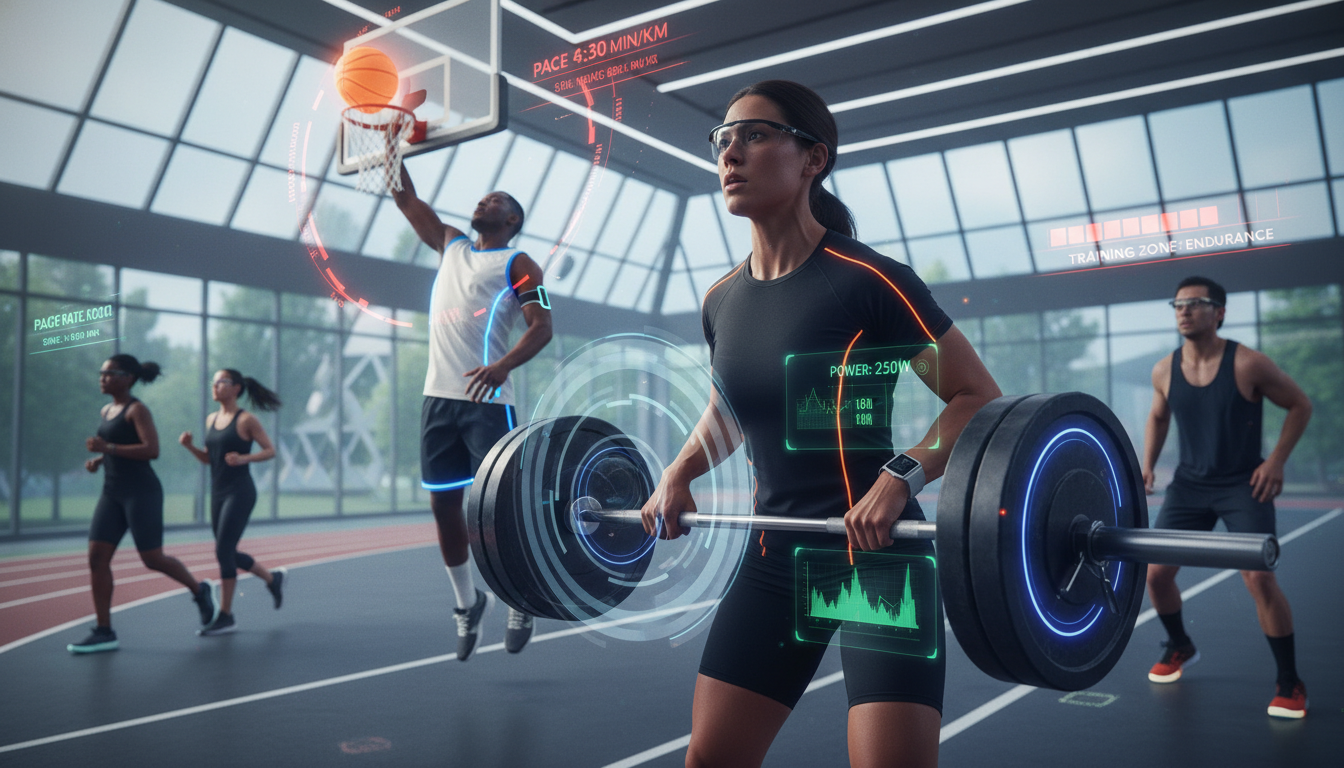
Elevate Your Game: The Power of Sports Technology and Wearable Performance Gear
In the relentless pursuit of athletic excellence, the landscape of training and competition has been utterly transformed. Today, a powerful synergy between human potential and cutting-edge Sports Technology is redefining what’s possible. From elite professionals to weekend warriors, individuals are increasingly turning to Wearable Performance Gear to unlock new levels of insight, optimize training, and gain a competitive edge. This revolution isn’t just about gadgetry; it’s about harnessing data to make smarter decisions, prevent injuries, and push boundaries previously thought unbreakable.
The Evolution of Athletic Performance Tracking
The journey of performance tracking has come a long way from its humble beginnings. Historically, coaches relied on stopwatch timings and subjective observations. While valuable, these methods offered limited depth compared to the granular data available today.
From Stopwatches to Smartwatches: A Brief History
For decades, simple tools like stopwatches and basic heart rate monitors were the pinnacle of athletic data collection. Athletes often logged progress manually, a time-consuming and imprecise endeavor. The advent of digital sensors then marked a significant shift, offering more accurate and automated data capture.
Today, advanced smartwatches and dedicated fitness trackers are ubiquitous. These devices seamlessly integrate multiple sensors, providing a holistic view of an athlete’s physiological state and activity levels directly from their wrist.
Real-time Data: A Game Changer
One of the most profound impacts of modern sports technology is the ability to collect and analyze data in real-time. Coaches can now monitor an athlete’s heart rate, speed, acceleration, and even biomechanics during practice or competition. This immediate feedback loop allows for instant adjustments to training loads and tactical decisions, optimizing performance on the fly.
Furthermore, post-session analytics provide deep insights into recovery patterns, training effectiveness, and potential areas for improvement. This data-driven approach removes much of the guesswork from athletic development, leading to more targeted and efficient training protocols.
Key Innovations in Wearable Performance Gear
The innovation in wearable performance gear is constantly pushing boundaries, offering athletes sophisticated tools to monitor and enhance their capabilities. These devices are no longer just about tracking steps; they are integrated systems providing comprehensive physiological and mechanical insights.
Biometric Sensors and Smart Apparel
Smart apparel, embedded with biometric sensors, represents a significant leap forward. These garments can track vital signs like heart rate variability, respiration rate, and even muscle activity directly from the skin. Compression shirts with integrated ECG sensors or smart socks measuring foot strike patterns provide incredibly precise data.
This level of detail allows for a deeper understanding of an athlete’s body responses under stress, helping to fine-tune training intensity and prevent overtraining. The discreet nature of smart textiles also ensures comfort and minimal interference during activity.
GPS Trackers and Advanced Sportswear
GPS tracking technology has revolutionized outdoor sports and team dynamics. Devices integrated into vests or equipment provide precise measurements of speed, distance covered, acceleration, and even heat maps of player movement on a field. This data is crucial for tactical analysis and workload management in sports like soccer or rugby.
Beyond tracking, advanced sportswear incorporates materials designed for optimal temperature regulation, moisture wicking, and aerodynamic efficiency. These technological fabrics contribute directly to an athlete’s comfort and performance, especially in challenging environmental conditions.
Virtual Reality and Augmented Reality Training
Emerging technologies like Virtual Reality (VR) and Augmented Reality (AR) are beginning to reshape training methodologies. VR platforms can simulate game scenarios, allowing athletes to practice decision-making in a controlled, immersive environment without physical exertion or risk of injury. This is particularly beneficial for cognitive training and tactical preparation.
AR, on the other hand, can overlay performance metrics or coaching cues onto an athlete’s real-world view during training. Imagine a cyclist seeing their power output and optimal cadence projected onto their visor, or a golfer receiving real-time swing analysis directly in their field of vision.
How Athletes Leverage Technology for Edge
The integration of advanced sports technology isn’t just about collecting data; it’s about translating that data into tangible advantages. Athletes at all levels are using these tools to refine their approach and maximize their potential.
Injury Prevention and Recovery
Perhaps one of the most critical benefits of wearable performance gear is its role in injury prevention. By continuously monitoring metrics such as training load, sleep quality, and heart rate variability, athletes and coaches can identify early signs of fatigue or overtraining. This proactive approach helps in adjusting schedules to prevent injuries before they occur.
Moreover, tech aids in recovery. Devices that track sleep cycles or provide biofeedback for relaxation techniques contribute significantly to an athlete’s ability to bounce back faster and stronger. Smart compression sleeves, for instance, can enhance circulation to aid muscle repair.
Personalized Training Regimens
Gone are the days of one-size-fits-all training plans. Sports technology enables highly personalized regimens tailored to an individual’s unique physiology, strengths, and weaknesses. Performance data allows coaches to pinpoint specific areas for improvement, whether it’s increasing anaerobic threshold or perfecting a particular skill.
This data-driven customization ensures that every training session is optimized for maximum effectiveness, leading to faster progress and more efficient development of athletic capabilities.
Mental Fortitude and Data-Driven Decisions
Beyond physical metrics, technology also plays a role in mental preparation. Biofeedback devices can help athletes manage stress and improve focus under pressure. The objective data provided by performance wearables also fosters a sense of confidence, as athletes can clearly see their progress and understand the scientific basis behind their training.
Coaches and athletes can make informed, data-driven decisions regarding game strategy, substitutions, and even travel schedules, leaving less to chance and more to calculated precision.
The Future of Sports Technology: What’s Next?
The rapid pace of innovation suggests that the future of sports technology will be even more integrated, predictive, and personalized. We can anticipate further advancements in artificial intelligence and machine learning, which will analyze vast datasets to offer even more precise insights and coaching recommendations.
Miniaturization of sensors will make wearable performance gear virtually invisible, seamlessly blending into everyday attire. Expect more sophisticated haptic feedback systems, guiding athletes with subtle vibrations, and brain-computer interfaces (BCIs) potentially enhancing focus and motor control. The convergence of medical and sports tech will also lead to more advanced predictive health monitoring, ensuring athlete longevity.
Embracing the advancements in sports technology and wearable performance gear is no longer an option but a strategic imperative for anyone serious about optimizing their athletic journey. By integrating these smart tools, you gain unparalleled insights into your body’s capabilities, allowing for more intelligent training, effective recovery, and a significant reduction in injury risk. Start exploring how these innovations can elevate your personal best, ensuring every effort you put in is backed by data-driven precision and a clearer path to achieving your peak potential.
