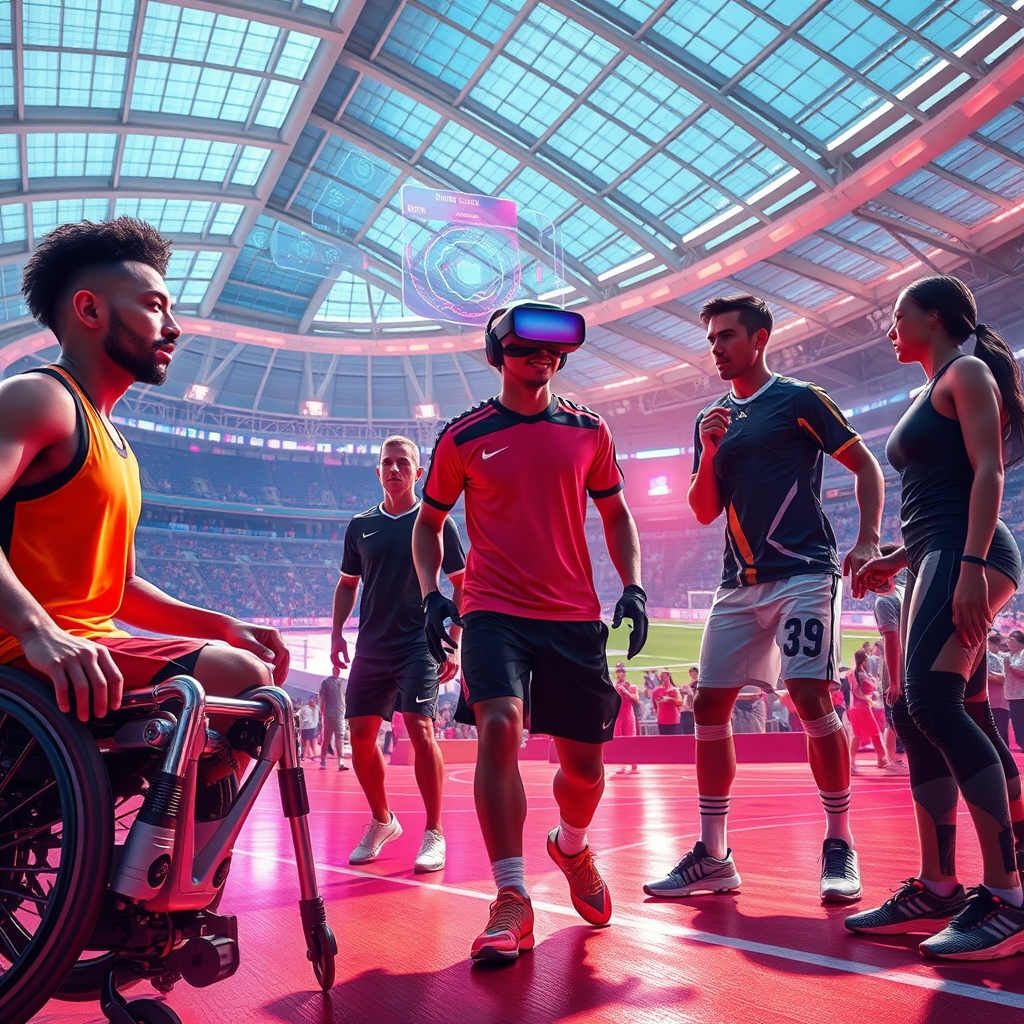
How Sport in 2026 is Bridging Physical and Digital Realms to Create Immersive, Inclusive, and High-Performance Experiences
By 2026, sport will no longer be confined to stadiums, screens, or even physical bodies. You’ll learn how emerging technologies, shifting fan behaviors, and performance science are converging to create immersive, inclusive, and hyper-personalized experiences—whether you’re an athlete, coach, or spectator. From AI-driven training regimens to augmented reality (AR) fan engagement, the lines between physical and digital sport are blurring, unlocking new levels of accessibility, competition, and connection. This evolution isn’t just about innovation; it’s about redefining who gets to participate and how.
Key Takeaways
- Immersive fan experiences will dominate, with AR/VR integration allowing spectators to step into live action from anywhere in the world.
- Performance tech will prioritize inclusivity, using wearables and AI to adapt training for athletes of all abilities.
- Digital-physical hybrid leagues will emerge, blending esports and traditional sport to attract younger, tech-native audiences.
- Sustainability will be embedded in sport infrastructure, from carbon-neutral venues to circular economy models for equipment.
How Will Fan Engagement Evolve Beyond the Stadium in 2026?
In 2026, watching a game won’t mean passively observing from a seat or screen. Fans will engage with sport through multi-sensory, interactive platforms that merge real-time data with immersive storytelling. Augmented reality (AR) overlays will let viewers customize their experience—switching between camera angles, accessing player biometrics, or even stepping into a virtual replica of the playing field. A 2025 study by the ITU’s AI for Sport Focus Group found that 68% of Gen Z sports fans prefer interactive, gamified viewing experiences over traditional broadcasts, signaling a shift toward participatory consumption.
Social viewing will also evolve. Platforms like Meta’s Horizon Worlds and Apple Vision Pro are already testing shared AR spaces where fans can watch games together, react in real time, and even compete in mini-games tied to live events. For example, during the 2026 FIFA World Cup, fans might use AR to “kick” a virtual ball alongside players in a penalty shootout, with their performance influencing in-game rewards or community leaderboards.
What Role Will AI Play in Personalizing Fan Experiences?
AI will act as a personal concierge, curating content based on individual preferences. Algorithms will analyze viewing habits, social interactions, and even biometric feedback (e.g., heart rate during clutch moments) to recommend highlights, merchandise, or even alternative commentary tracks. For instance, a fan who prefers tactical analysis over crowd noise could toggle an AI-generated feed that breaks down plays in real time, narrated by a virtual coach.
Brands and teams will leverage this data to create hyper-targeted campaigns. Dynamic ads will adapt to the viewer’s location, mood, or past interactions—for example, serving a discount on a jersey worn by a player who just scored a goal. This level of personalization will deepen fan loyalty but also raise ethical questions about data privacy, prompting leagues to adopt transparent opt-in models.
How Are Athletes Training Differently in 2026?
The 2026 athlete won’t just train harder; they’ll train smarter, with AI and biotech optimizing every aspect of performance. Wearable sensors and smart fabrics will monitor muscle fatigue, hydration, and cognitive load in real time, adjusting training loads to prevent injury. A 2024 report from the Journal of Sports Sciences projected that AI-driven injury prevention could reduce ACL tears in soccer by 40% by 2026, thanks to predictive analytics that flag high-risk movement patterns before they cause damage.
Recovery will also see a digital upgrade. Cryotherapy chambers, once reserved for elite athletes, will be replaced by portable, AI-powered recovery pods that use red-light therapy and pneumatic compression to accelerate healing. Sleep optimization will become a competitive advantage, with teams using EEG headbands to track brainwaves and tailor sleep environments (e.g., temperature, soundscapes) for maximum restorative effect.
How Is Inclusivity Reshaping Performance Tech?
In 2026, performance tech will prioritize accessibility, ensuring athletes with disabilities can compete at the highest levels. Exoskeletons and neural interfaces will enable paralympic athletes to control prosthetic limbs with their thoughts, while adaptive wearables will adjust resistance or support in real time. For example, a wheelchair basketball player might use a smart glove that enhances grip strength during fast breaks or reduces strain during long games.
AI will also democratize coaching. Virtual trainers will provide real-time feedback to amateur athletes, using computer vision to correct form or suggest drills. Apps like HomeCourt (for basketball) and SwingVision (for tennis) are already laying the groundwork, but by 2026, these tools will be integrated into everyday equipment—think smart basketballs that track shot arc or tennis rackets that analyze spin.
What Does the Rise of Hybrid Sport Mean for Competition?
By 2026, the boundary between esports and traditional sport will dissolve, giving rise to hybrid leagues that blend physical and digital competition. Games like Rocket League and NBA 2K have already pioneered this model, but 2026 will see mainstream adoption. For example, the NBA might launch a “phygital” league where players compete in both the physical court and a virtual arena, with their in-game performance influencing real-world rankings.
This shift will attract younger audiences who grew up with gaming as a primary form of entertainment. A 2025 survey by Nielsen found that 72% of Gen Alpha (ages 6–16) consider esports a “real sport,” and hybrid leagues will cater to this mindset. Traditional sports will also benefit, as digital twins of athletes allow fans to compete against their idols in virtual matches or train alongside them in AR simulations.
How Will Sustainability Shape the Future of Sport?
Sustainability won’t be an afterthought in 2026—it’ll be a core pillar of sport’s infrastructure. Venues will operate on 100% renewable energy, with solar-paneled roofs and kinetic flooring that harvests energy from footsteps. The 2026 FIFA World Cup in the U.S., Canada, and Mexico is already setting the standard, with organizers pledging to deliver the first carbon-neutral World Cup in history by using modular stadiums that can be dismantled and reused.
Equipment will also embrace circular economy principles. Brands like Adidas and Nike are developing biodegradable shoes and jerseys made from algae-based materials or recycled ocean plastics. By 2026, athletes might lease gear through subscription models, returning worn-out items to be refurbished or repurposed. Even sports nutrition will go green, with lab-grown protein and insect-based energy bars reducing the environmental impact of athlete diets.
The next step is to explore how these trends apply to your role—whether you’re a fan, athlete, or industry professional. Start by identifying one area that excites you most, whether it’s AR fan experiences, AI-driven training, or hybrid competition. Then, seek out platforms or communities already testing these innovations. For example, if you’re a coach, experiment with AI-powered analytics tools like Hudl or Kitman Labs to see how data can refine your strategies. If you’re a fan, try an AR sports app like NBA AR or NFL 360 to experience the future of viewing firsthand. The tools are here; the question is how you’ll use them to redefine your relationship with sport.
