How Sport in 2026 is Redefining Performance, Fan Engagement, and Sustainability
By 2026, the world of sport will look dramatically different—driven by advances in technology, shifting fan expectations, and a growing emphasis on sustainability. Whether you’re an athlete, coach, business professional, or dedicated fan, understanding these changes will help you stay ahead. This article explores how performance optimization, fan engagement, and environmental responsibility are reshaping sport, with actionable insights and evidence-backed trends you can apply today.
Key Takeaways
- AI-driven training and wearable tech are enabling hyper-personalized athlete performance plans.
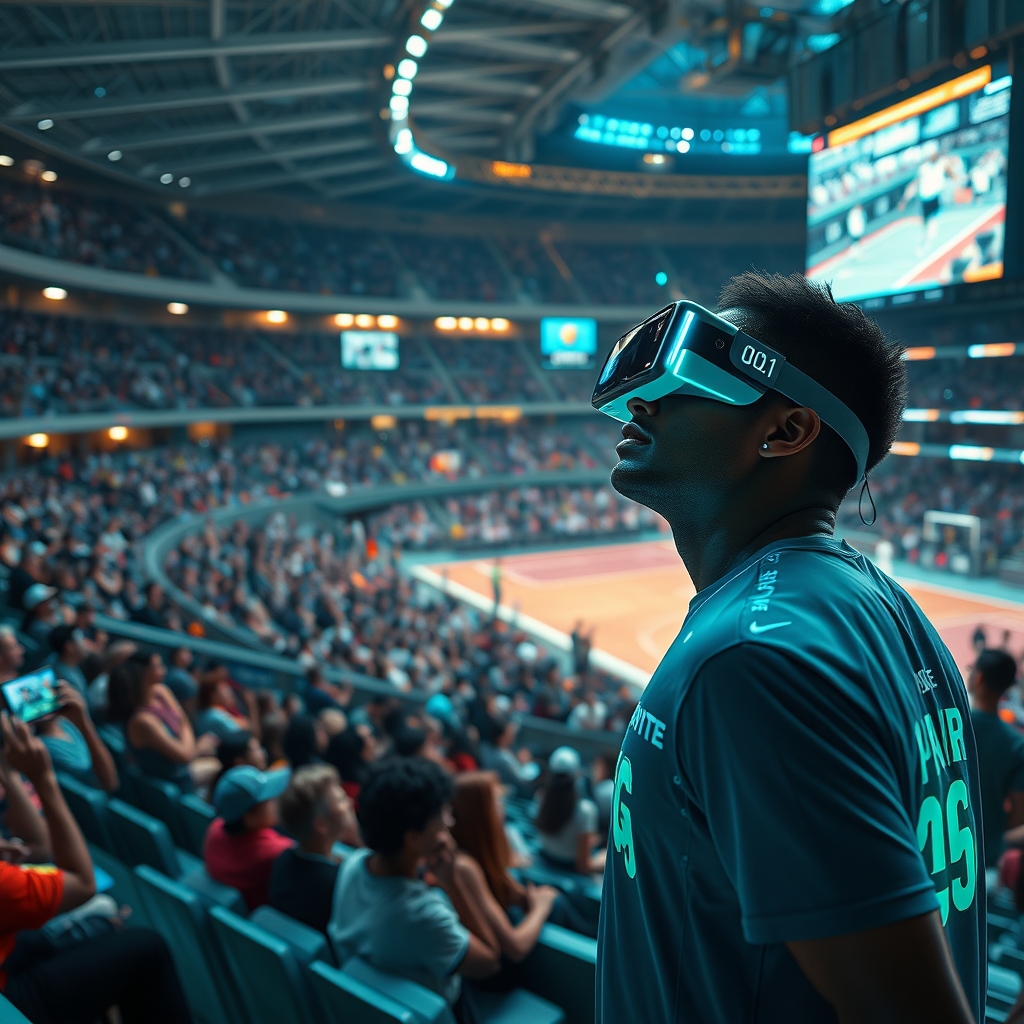
- Immersive fan experiences, including augmented reality (AR) and virtual reality (VR), are becoming mainstream.
- Sustainability is no longer optional—sporting events and organizations are adopting zero-waste and carbon-neutral practices.
- Data transparency and real-time analytics are transforming how fans, teams, and sponsors interact.
How Is AI Changing Athlete Performance in 2026?
Artificial intelligence is no longer a futuristic concept in sport—it’s a daily tool. By 2026, AI-powered platforms analyze biomechanics, sleep patterns, and recovery metrics to create hyper-personalized training regimens. For example, elite athletes now use AI-driven wearables that monitor muscle fatigue in real time, adjusting workout intensity to prevent injury and optimize performance.
Coaches and sports scientists rely on predictive modeling to forecast an athlete’s peak performance windows. This data-driven approach reduces guesswork and maximizes efficiency, allowing athletes to train smarter, not harder. A recent study by the National Institutes of Health highlights how AI integration in sports medicine has improved injury prevention by up to 30% in professional leagues.
What Role Do Wearables Play in Modern Training?
Wearable technology has evolved beyond step counting. In 2026, smart fabrics embedded with micro-sensors track hydration levels, lactic acid buildup, and even cognitive stress. These devices sync with mobile apps, providing athletes with instant feedback and actionable recommendations. For instance, a marathon runner can receive real-time alerts to adjust pace or hydration based on physiological data.
Teams in the NFL, Premier League, and NBA already use these tools to tailor recovery protocols, ensuring athletes return to peak condition faster. The shift toward continuous, non-invasive monitoring means fewer injuries and longer careers—benefiting both athletes and organizations.
How Are Fans Engaging with Sport Differently in 2026?
Fan engagement has moved beyond the stadium. In 2026, immersive technologies like AR and VR allow supporters to experience games from the perspective of their favorite players. Virtual ticketing platforms enable fans to attend matches in a 3D environment, complete with interactive replays and live stats overlaid on their screens.
Social media integration has also deepened fan connections. Platforms now offer behind-the-scenes content, player Q&As, and even co-creation opportunities where fans influence team decisions, such as jersey designs or charity initiatives. This level of access fosters loyalty and expands global audiences, particularly among younger demographics.
What Does the Rise of Esports Mean for Traditional Sport?
Esports is no longer a niche—it’s a billion-dollar industry that rivals traditional sports in viewership and sponsorship. By 2026, hybrid events combining physical and digital competitions are commonplace. For example, Formula 1 now hosts virtual races alongside live Grand Prix, attracting millions of online spectators.
Traditional sports organizations are capitalizing on this trend by launching their own esports leagues. The NBA 2K League and ePremier League demonstrate how franchises are bridging the gap between physical and digital fandom, creating new revenue streams and engaging tech-savvy audiences.
Why Is Sustainability a Priority in Sport for 2026?
Sporting events generate significant environmental impact, from carbon emissions to plastic waste. In 2026, sustainability is a core pillar of event planning. Major tournaments, such as the FIFA World Cup and Olympics, now mandate carbon-neutral operations, renewable energy use, and zero-waste policies. For instance, the 2024 Paris Olympics set a precedent by aiming for 50% fewer emissions than previous editions, a standard that will become the norm by 2026.
Teams and venues are also adopting eco-friendly practices. Solar-powered stadiums, water recycling systems, and plant-based concessions are reducing the ecological footprint of sport. Fans increasingly support organizations that prioritize sustainability, making it a competitive advantage for brands and sponsors.
How Are Sponsors Aligning with Sustainable Values?
Sponsors are shifting their investments toward organizations with strong environmental and social governance (ESG) commitments. In 2026, partnerships are evaluated not just on reach but on impact. Brands like Patagonia and Adidas lead the way by funding grassroots sports programs and developing sustainable apparel lines. This alignment resonates with consumers, particularly Gen Z, who prioritize ethical consumption.
Data transparency plays a key role in this shift. Fans and sponsors demand visibility into an organization’s sustainability efforts, from supply chain practices to event logistics. Platforms like the Global Reporting Initiative provide frameworks for measuring and communicating progress, ensuring accountability.
As sport continues to evolve, the intersection of technology, fan engagement, and sustainability will define its future. Whether you’re an athlete leveraging AI for performance gains, a fan exploring immersive experiences, or a business aligning with sustainable values, the opportunities are vast. Start by integrating one data-driven tool into your training regimen, attending a hybrid event, or supporting a team with strong ESG practices—small steps that lead to meaningful impact in the world of sport.
