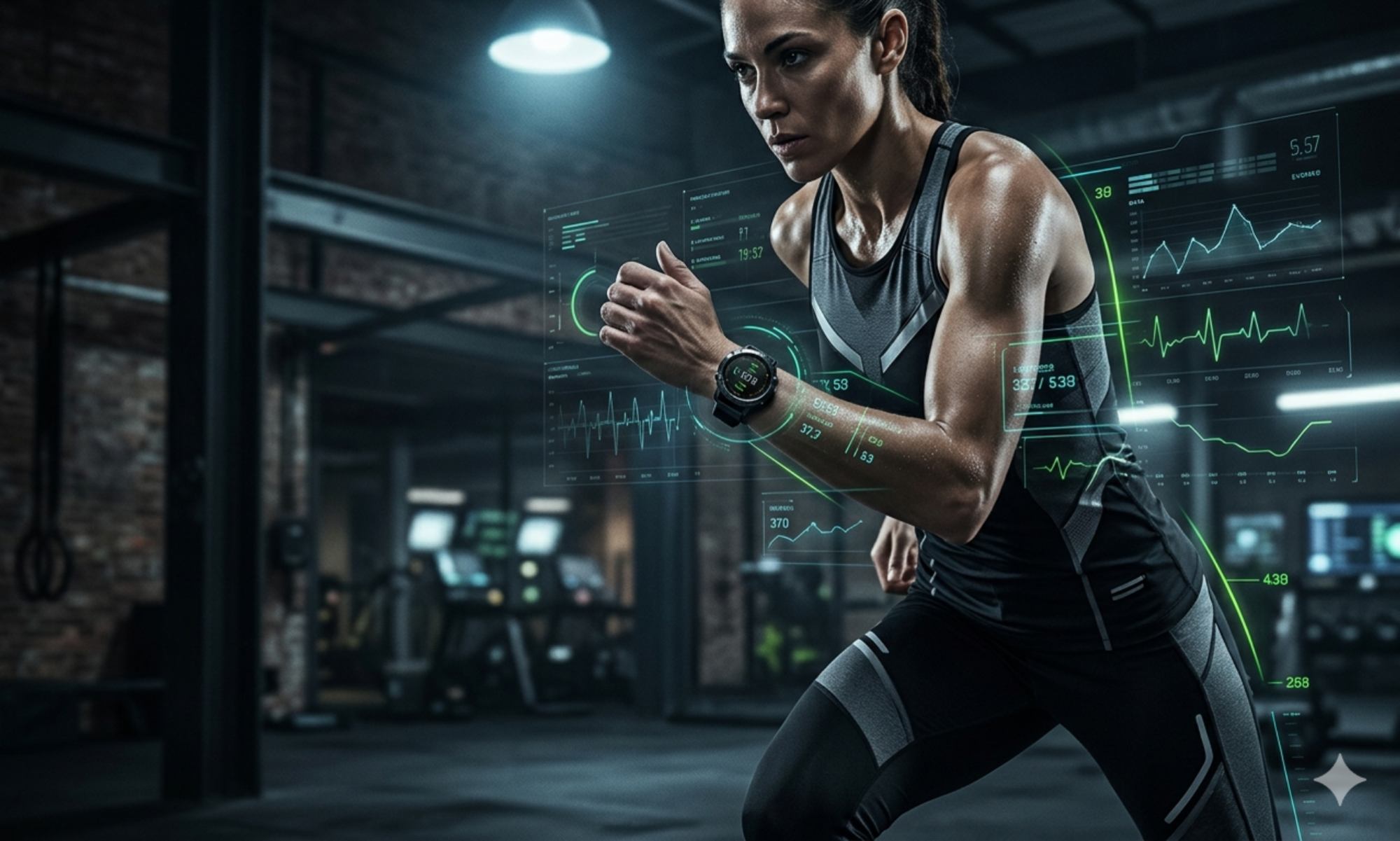

Elevating Your Game: The Revolution of Sports Technology & Wearable Performance Gear

Elevating Your Game: The Revolution of Sports Technology & Wearable Performance Gear

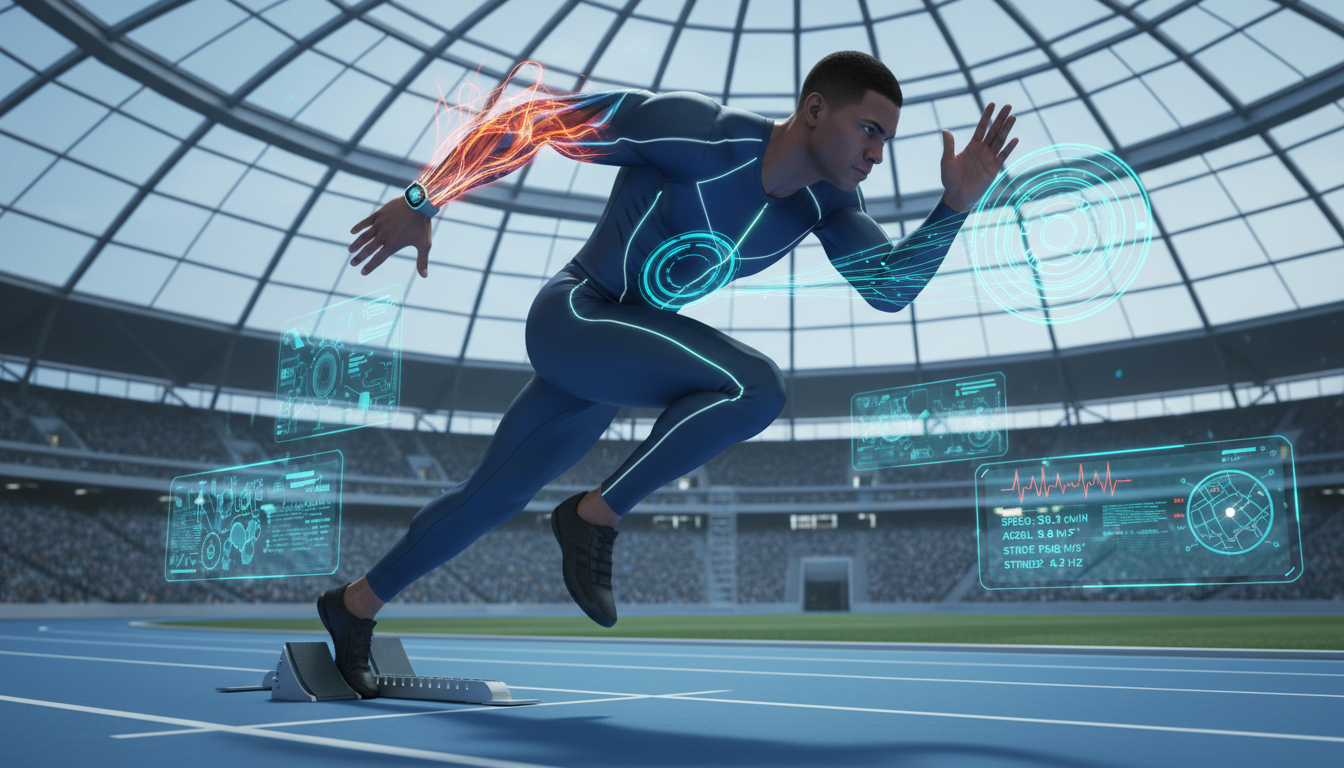
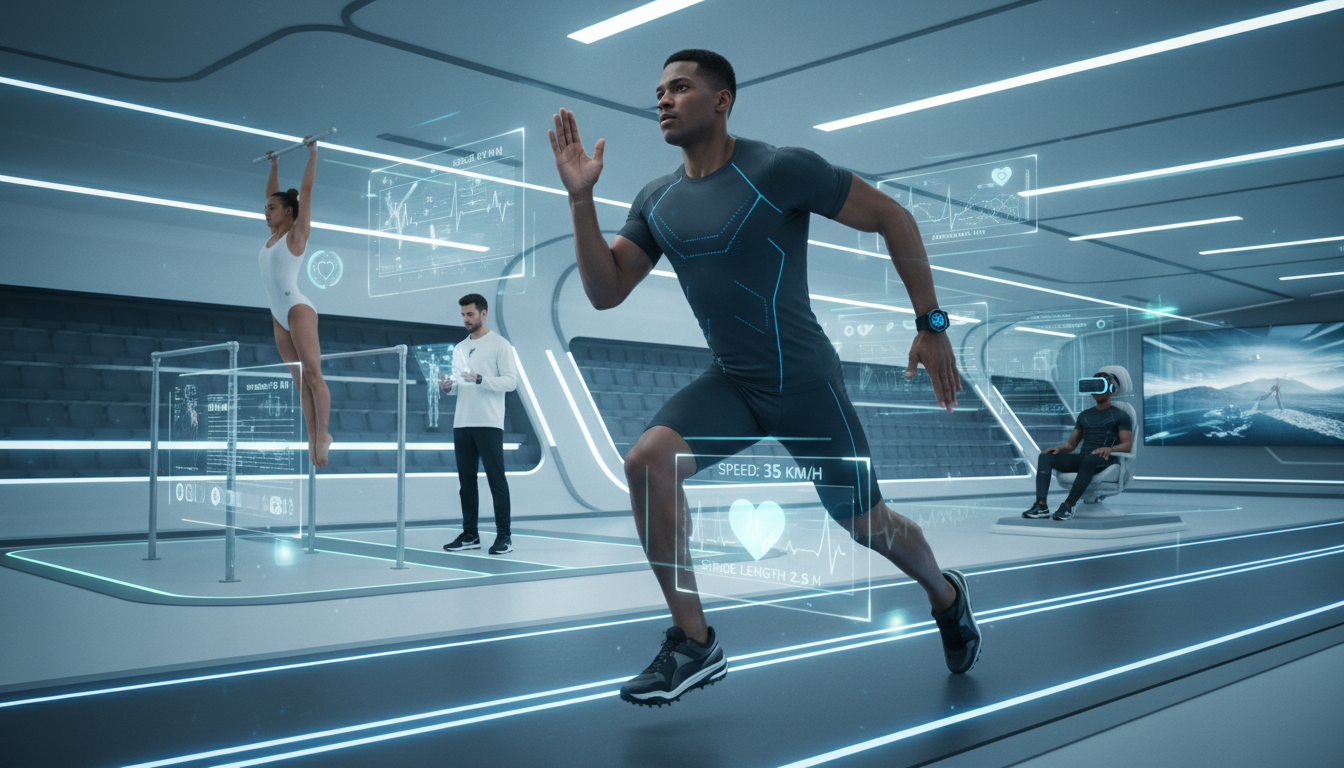
The world of sports is undergoing a profound transformation, driven by an incredible surge in innovation. Athletes, coaches, and enthusiasts alike are witnessing a revolution where data, connectivity, and intelligent design converge to push the boundaries of human performance. This isn’t just about faster times or higher scores; it’s about a deeper understanding of the body, optimized training, and enhanced safety, all powered by cutting-edge Sports Technology & Wearable Performance Gear.

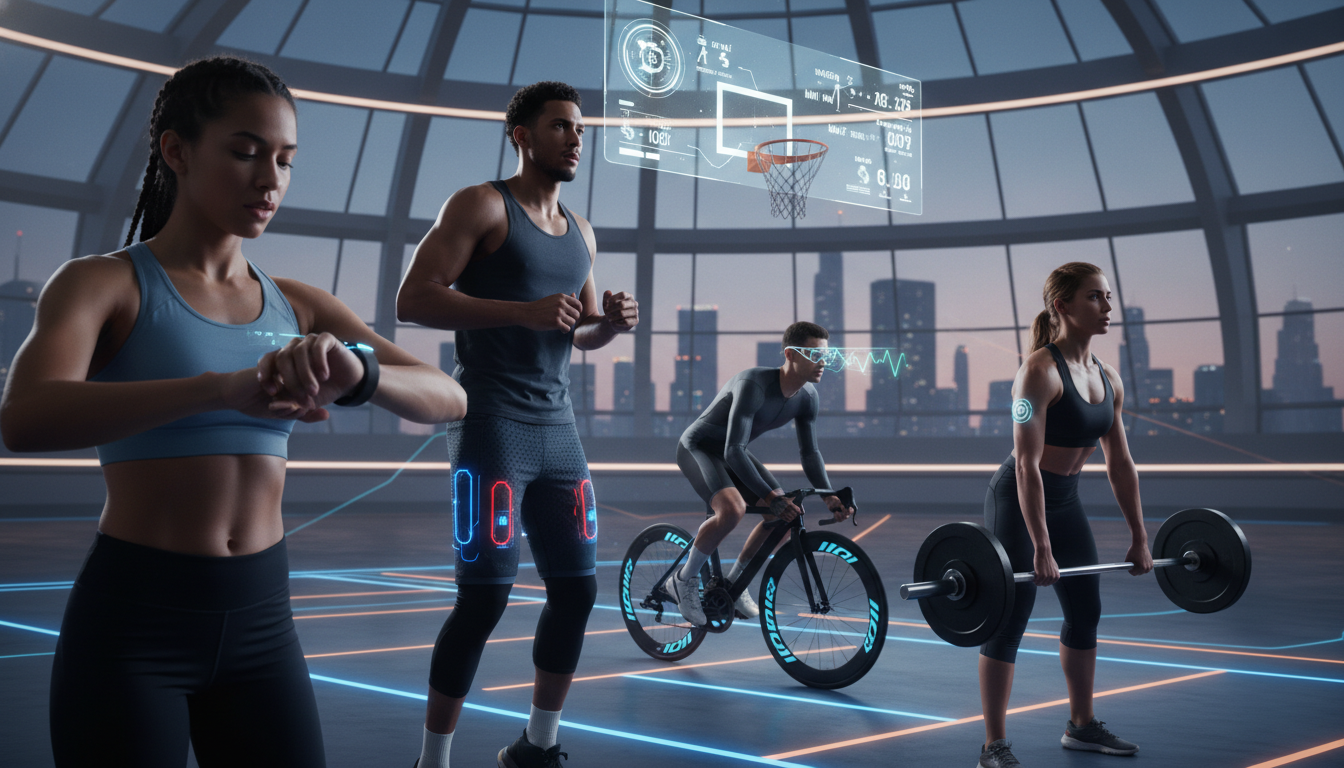
From amateur runners to elite professionals, the integration of smart devices is no longer a luxury but a fundamental component of modern athletic development. These tools offer unprecedented insights, turning abstract efforts into measurable progress. Embrace the future, where every stride, swing, and sprint provides valuable data for continuous improvement.

Unlocking Potential with Advanced Performance Tracking

At the heart of the sports tech revolution lies sophisticated performance tracking. Wearable devices like smartwatches, fitness trackers, and specialized sensors are now commonplace, meticulously recording everything from heart rate variability and sleep patterns to GPS coordinates and power output. This rich tapestry of data helps athletes and coaches identify strengths, pinpoint weaknesses, and tailor training regimens with unparalleled precision.

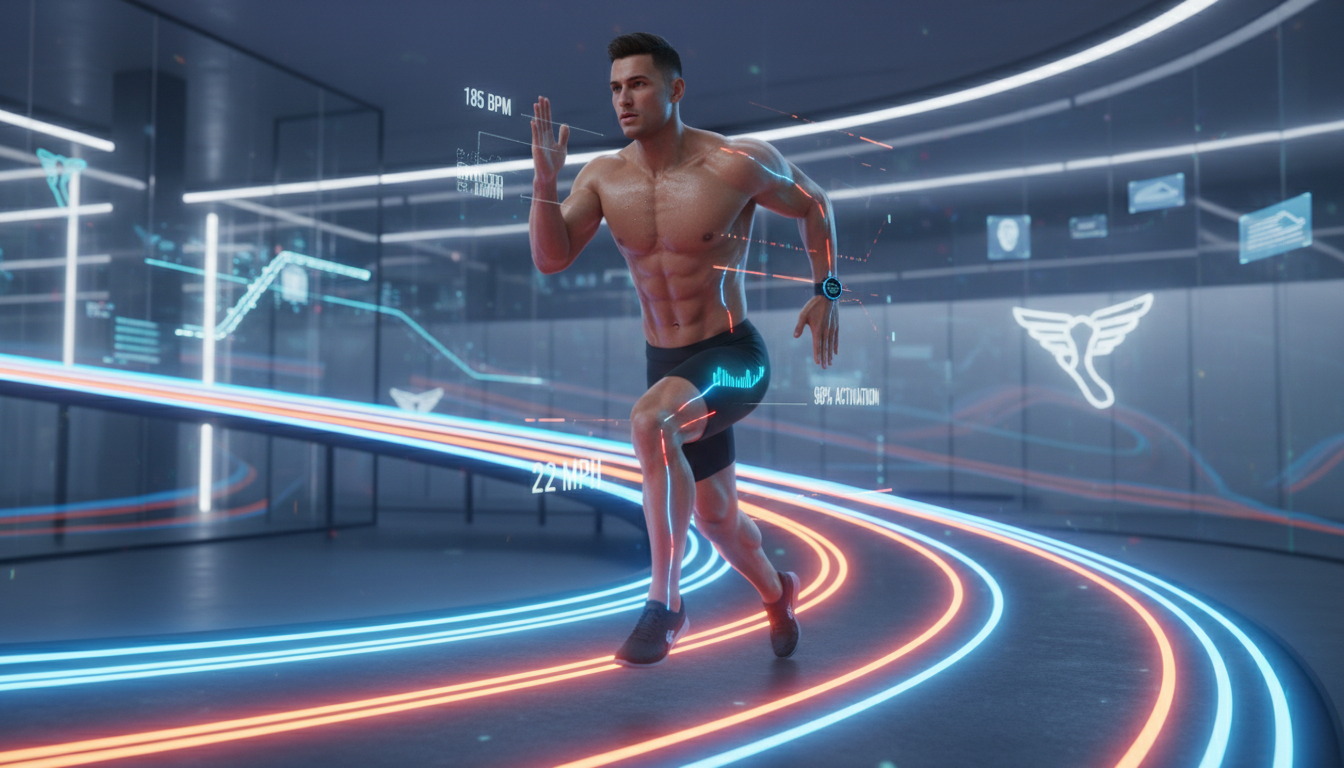
Modern wearables go beyond simple step counting. They offer real-time feedback during workouts, allowing for immediate adjustments to intensity or form. Post-activity analysis provides comprehensive reports, visualizing trends over time and benchmarking progress against specific goals. This data-driven approach empowers individuals to make informed decisions about their training load and recovery.

Biometric Sensors and Real-time Feedback

The evolution of biometric sensors has been a game-changer. Devices can now accurately measure oxygen consumption (VO2 Max), lactate thresholds, and even muscle activity, providing a holistic view of physiological responses during exercise. This level of detail was once only accessible in specialized labs but is now available on a wrist or integrated into smart apparel.

Real-time feedback loops are critical for optimizing performance in the moment. Imagine a cyclist receiving immediate alerts if their power output drops below a target zone, or a runner getting haptic feedback to maintain a consistent pace. This instant gratification and correction capability significantly enhances training effectiveness and adherence.

Optimizing Training and Recovery Strategies

Beyond tracking, sports technology plays a crucial role in shaping smarter training and recovery protocols. Artificial intelligence and machine learning algorithms are increasingly being integrated into platforms that analyze vast amounts of data, offering personalized recommendations for workout intensity, rest periods, and even nutritional intake. This intelligence helps prevent overtraining and reduces the risk of injury.

Recovery is just as vital as training, and wearable performance gear is revolutionizing this aspect too. Devices that monitor sleep quality, stress levels, and physiological readiness provide invaluable insights into an athlete’s state of recovery. This allows for dynamic adjustments to training schedules, ensuring the body is adequately rested and prepared for the next challenge.

Smart Apparel and Integrated Systems

The next frontier in wearable performance gear is seamless integration. Smart apparel, embedded with sensors, eliminates the need for bulky external devices, offering comfort and discretion. These garments can monitor everything from core body temperature and posture to muscle strain, providing a more natural and less intrusive data collection experience.

Furthermore, entire ecosystems of connected devices are emerging, where data from various sources — a smart ball, a connected gym machine, and a personal tracker — all feed into a single analytical platform. This holistic view provides coaches and athletes with a complete picture of performance, environment, and physical well-being, fostering truly data-driven decision-making.

Enhancing Safety and Engagement in Sports

While performance is a primary focus, sports technology also significantly contributes to athlete safety and overall engagement. Impact sensors in helmets can detect concussive forces, providing early warnings for potential injuries. Hydration sensors and temperature monitors help prevent heatstroke and dehydration, particularly in extreme conditions.

Beyond safety, technology is making sports more accessible and engaging for participants and fans alike. Virtual reality (VR) and augmented reality (AR) are creating immersive training experiences and new ways to consume sports content. From simulating complex game scenarios to providing interactive viewership, these technologies are broadening the appeal and reach of athletics.

The continuous evolution of sports technology and wearable performance gear signifies a paradigm shift in how we approach athletic endeavors. By embracing these innovative tools, athletes can unlock new levels of understanding about their bodies and performance, leading to more effective training, quicker recovery, and ultimately, a more fulfilling and successful sporting journey. The future of sports is intelligent, data-rich, and incredibly exciting – it’s time to gear up and experience the difference.
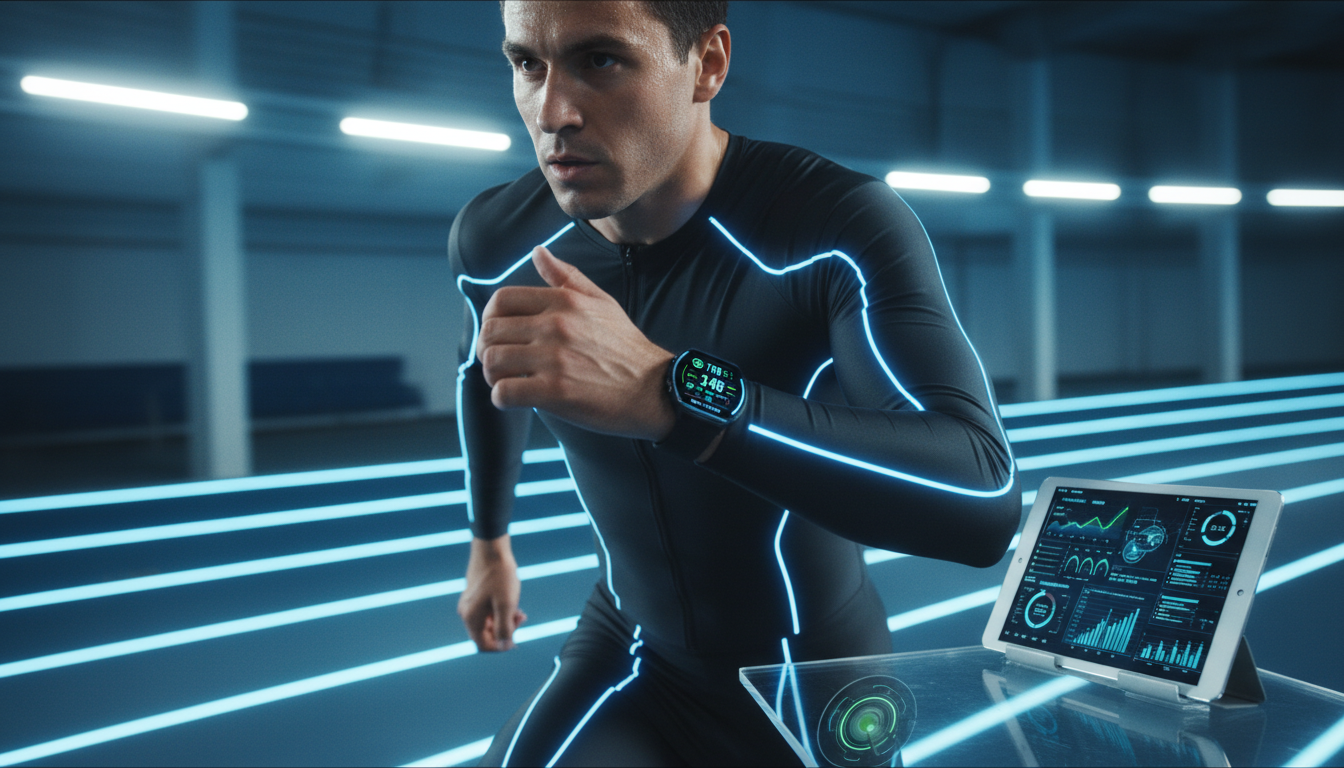

Unlocking Peak Potential: The Revolution of Sports Technology & Wearable Performance Gear

Unlocking Peak Potential: The Revolution of Sports Technology & Wearable Performance Gear

Are you looking to push past your personal best, recover smarter, or simply gain a deeper understanding of your body’s capabilities? In today’s competitive landscape, athletes and fitness enthusiasts alike are turning to cutting-edge advancements to elevate their game. The transformative power of Sports Technology, particularly through sophisticated Wearable Performance Gear, is redefining how we train, compete, and recover. These innovations offer unprecedented insights, turning raw effort into data-driven progress and unlocking new levels of human potential.

From amateur runners tracking their pace to professional teams optimizing every player’s performance, the integration of smart devices has become indispensable. This article will explore the exciting world of athletic innovation, detailing how these tools empower individuals and teams to achieve extraordinary results, fostering a new era of personalized fitness and competitive excellence.

The Evolution of Wearable Performance Gear

Gone are the days when a stopwatch was the pinnacle of athletic tracking. Modern wearable performance gear has undergone a remarkable evolution, transitioning from basic pedometers to sophisticated biometric sensors worn discreetly on the body. These advanced fitness trackers, ranging from smartwatches and specialized monitors to intelligent apparel and smart insoles, collect a wealth of physiological data.

They meticulously monitor everything from heart rate variability and precise GPS location to comprehensive sleep patterns and crucial recovery metrics. This constant stream of information provides a holistic picture of an athlete’s physiological state, enabling more informed training decisions and proactive health management. The continuous improvement in accuracy, battery life, and breadth of data makes these personal fitness gadgets increasingly invaluable for anyone serious about their performance.

Data-Driven Training with Advanced Sports Technology

Building on the foundation of robust data collection, the true power of sports technology lies in its ability to transform raw numbers into actionable insights. Performance analytics platforms integrate data from various wearable devices, allowing coaches and athletes to identify crucial trends, pinpoint specific areas for improvement, and effectively prevent overtraining or injury through intelligent monitoring.

Imagine understanding exactly how your training load impacts your recovery, or predicting your peak performance window with scientific precision. Advanced biomechanical analysis, often enabled by specialized smart sensors embedded in equipment or clothing, helps refine technique and optimize movement efficiency across a spectrum of sports. Real-time feedback during sessions ensures immediate adjustments can be made, maximizing the effectiveness of every workout and accelerating skill acquisition.

This data-driven approach fosters highly personalized training plans that are dynamically adjusted based on individual physiological responses and progress. It moves beyond generic programs, offering a truly tailored path to athletic excellence by leveraging predictive modeling to anticipate future performance and potential risks, making training smarter, safer, and ultimately more rewarding.

Beyond the Wrist: Innovative Sports Tech Solutions

While wrist-worn devices dominate the consumer market, the realm of sports technology extends far beyond, integrating into every aspect of an athlete’s environment. Emerging innovations are pushing boundaries, embedding smart sensors directly into equipment, apparel, and even creating immersive virtual environments. These advancements offer entirely new dimensions for training, performance analysis, and spectator engagement.

Consider smart basketballs that track shot arcs and speed with incredible precision, or intelligent compression garments that monitor muscle activity, fatigue levels, and even provide therapeutic benefits. Augmented reality (AR) and virtual reality (VR) are also making significant strides, creating immersive training simulations that replicate complex game-day pressures and strategic scenarios in a controlled, safe setting. These technologies provide unique and immediate feedback loops that traditional coaching methods often cannot match.

Furthermore, sophisticated AI-powered coaching platforms are analyzing vast datasets to provide highly personalized advice, often surpassing human coaching capacity in terms of data processing and pattern recognition. These diverse applications of sports technology are creating a holistic ecosystem designed to optimize every facet of athletic endeavor, from fundamental skill development and tactical planning to injury rehabilitation and fan interaction.

Choosing the Right Wearable Performance Gear for Your Goals

With an overwhelming array of options available, selecting the ideal wearable performance gear can seem daunting for athletes and enthusiasts alike. The key is to align your choice precisely with your specific athletic goals, allocated budget, and the desired features that genuinely matter to your performance. Not every device is created equal, and what works optimally for a marathon runner might differ significantly from a weightlifter’s or a team sport athlete’s specialized needs.

Carefully consider what metrics are most crucial for your specific sport or fitness routine. Do you require ultra-precise GPS tracking for outdoor activities, advanced heart rate variability for recovery insights, or detailed sleep analysis to optimize your rest? Research device compatibility with your existing fitness apps and preferred platforms to ensure seamless data integration and a cohesive tracking experience. User reviews and expert comparisons can also provide invaluable insights into real-world reliability, accuracy, and overall user experience.

Prioritize comfort, durability, and battery life, as these practical factors directly impact consistent usage and the long-term value of your investment. Investing in the right smart athletic equipment means choosing tools that genuinely enhance your training and recovery, providing valuable, actionable feedback without becoming a distraction. It’s about finding the perfect partner that empowers your journey to peak performance and sustained well-being.

The landscape of sports and fitness is undeniably being reshaped by the continuous innovations in sports technology and wearable performance gear. These advanced tools are no longer mere gadgets; they are integral components of a modern athlete’s toolkit, offering unparalleled opportunities for self-improvement, injury prevention, and competitive advantage across all levels of play.

Embracing these advancements allows you to move beyond guesswork, transforming your training into a precise, data-informed science. Explore the vast array of options available, experiment with different devices, and diligently integrate the insights they provide to unlock new levels of performance and enhance your overall well-being. The future of athletic achievement is here, and it’s smarter, more personalized, and more accessible than ever before.

Unlocking Peak Performance: The Revolution of Sports Technology and Wearable Gear

Unlocking Peak Performance: The Revolution of Sports Technology and Wearable Gear

In the relentless pursuit of peak athletic performance, the landscape of sports has been irrevocably transformed by innovation. Gone are the days when raw talent and grueling training alone dictated success. Today, a new era is dawning, powered by cutting-edge Sports Technology and revolutionary Wearable Performance Gear. Athletes, coaches, and enthusiasts alike are now leveraging sophisticated tools to unlock new levels of potential, prevent injuries, and gain an invaluable edge.

The Data Revolution: Unlocking Athletic Potential with Wearable Tech

At the heart of modern sports training lies data. Wearable devices, from smartwatches and fitness trackers to advanced biometric shirts, capture a wealth of information previously inaccessible. These innovative tools monitor everything from heart rate zones and sleep patterns to GPS tracking and calorie expenditure, providing a comprehensive overview of an athlete’s physical state.

This constant stream of real-time data empowers athletes and coaches to make informed decisions. Training regimens can be precisely tailored to individual needs, optimizing intensity and recovery periods. By understanding how the body responds to different stimuli, performance tracking becomes a strategic asset in pushing boundaries safely and effectively.

Beyond Tracking: Wearable Performance Gear for Injury Prevention and Recovery

Moving beyond mere tracking, many athletic wearables are now designed with injury prevention and faster recovery in mind. Smart compression sleeves can monitor muscle fatigue and provide targeted support, while specialized sensors embedded in footwear analyze gait and impact forces, helping to correct potentially harmful mechanics before issues arise.

These advanced features provide early warning signs, allowing for proactive adjustments to training or immediate intervention. By reducing the likelihood of common sports injuries and accelerating the healing process, this smart sports equipment plays a vital role in extending an athlete’s career and maximizing their time on the field, court, or track.

Optimizing Training with Smart Sports Equipment and Connected Devices

While personal wearables focus on the athlete, the broader ecosystem of sports technology extends to the equipment itself. Smart basketballs provide instant feedback on shot arc and speed, while connected tennis rackets analyze swing mechanics and ball contact points. Interactive gym equipment can adjust resistance based on performance data, creating dynamic and personalized workouts.

This integration of technology into sports equipment offers unparalleled opportunities for skill development and technique refinement. Athletes receive immediate, objective feedback, allowing them to make precise adjustments during practice sessions. Such intelligent gear transforms traditional training into a data-driven, highly efficient process.

The Future of Athletic Performance: AI, Predictive Analytics, and Immersive Training

Looking ahead, the integration of artificial intelligence (AI) and advanced analytics promises to revolutionize athletic performance even further. AI-powered platforms can analyze vast datasets from multiple wearables and smart equipment, identifying subtle patterns and predicting performance trends or potential overtraining risks with remarkable accuracy.

This predictive capability will lead to hyper-personalized training programs that adapt in real-time, offering dynamic guidance to optimize every aspect of an athlete’s preparation. Furthermore, virtual reality (VR) and augmented reality (AR) are beginning to create immersive training environments, simulating game-day pressure and allowing athletes to refine strategies in a risk-free setting, pushing the boundaries of what’s possible in sports training and development.

Choosing Your Edge: Selecting the Right Wearable Performance Gear

With such a diverse array of options, selecting the right wearable performance gear requires careful consideration. It’s essential to identify your specific athletic goals, the demands of your sport, and your budget. Researching device compatibility, battery life, and the accuracy of sensors will ensure you invest in tools that genuinely support your aspirations.

Prioritize devices that offer comprehensive data insights relevant to your activity and integrate seamlessly with your existing fitness ecosystem. Whether you’re a professional athlete striving for Olympic gold or a weekend warrior aiming for a personal best, leveraging the right sports technology can provide that crucial competitive edge, transforming effort into measurable progress and sustained success.

Unlocking Peak Potential: The Revolution of Sports Technology and Wearable Performance Gear

Unlocking Peak Potential: The Revolution of Sports Technology and Wearable Performance Gear

Remember the days when a stopwatch and a good coach were the pinnacle of athletic preparation? That era feels like a distant memory, doesn’t it? Today, the world of sports is undergoing a radical transformation, driven by groundbreaking Sports Technology and sophisticated Wearable Performance Gear. These innovations aren’t just for elite athletes; they’re empowering everyone from weekend warriors to Olympic contenders, offering unprecedented insights into physical performance, training efficacy, and overall well-being. This digital revolution is fundamentally reshaping how we train, compete, and recover, pushing the boundaries of human potential.

The Revolution of Wearable Performance Gear

The most visible face of this technological shift is undoubtedly wearable performance gear. Devices strapped to our wrists, chests, or even integrated into our clothing have become indispensable tools. They continuously monitor a vast array of metrics, providing a digital window into our bodies’ responses to exertion and rest. From GPS-enabled running watches to advanced heart rate variability trackers, these smart devices offer a personalized coaching experience that was once unimaginable.

These sophisticated gadgets go far beyond simple step counting. They track intricate data points like stride length, ground contact time, sleep patterns, and even blood oxygen levels. Athletes can now gain a granular understanding of their physiological responses, allowing for highly optimized training regimens. The real power lies in transforming raw data into actionable intelligence, helping individuals make informed decisions about their physical activity.

Real-time Data for Peak Performance

One of the most significant advantages of modern wearable performance gear is its ability to deliver real-time data. Imagine a marathon runner monitoring their pace and heart rate zone live, or a cyclist adjusting their effort based on power output displayed directly on their handlebars. This immediate feedback loop allows for instantaneous adjustments, ensuring athletes stay within optimal training parameters or execute race strategies flawlessly.

Beyond training, real-time metrics are invaluable during competition. Coaches can make data-driven decisions on substitutions or tactical changes, while athletes can push their limits safely, knowing their vital signs are being continuously monitored. This constant stream of information empowers individuals to fine-tune their performance on the fly, maximizing efficiency and minimizing the risk of overexertion.

As impressive as wearables are, the realm of sports technology extends far beyond the personal device.

Beyond the Wrist: Advanced Sports Technology

While personal wearables are ubiquitous, the broader landscape of sports technology encompasses an even more diverse array of innovations. We’re seeing the emergence of smart apparel with embedded sensors, intelligent sports equipment, and even virtual reality (VR) and augmented reality (AR) applications designed to enhance training environments. These tools integrate seamlessly, creating a comprehensive technological ecosystem around the athlete.

Consider smart apparel that monitors muscle activity or hydration levels directly from the fabric, providing a more intimate data capture than external devices. Or intelligent balls that track spin rate and speed, giving detailed feedback to soccer players and golfers alike. These advancements are transforming how athletes interact with their environment and equipment, turning every practice session into a data-rich experience.

Enhancing Training with Smart Equipment

Smart equipment is revolutionizing how athletes refine their skills and technique. For instance, smart basketballs can track shot arc and release speed, offering objective feedback for improvement. Similarly, smart shoes can analyze running gait and pressure distribution, helping runners identify imbalances and prevent injuries. This level of detail allows for highly personalized and precise training adjustments.

The integration of VR and AR also offers immersive training possibilities. Athletes can simulate game-day scenarios, practice complex plays, or refine motor skills in a controlled, data-rich virtual environment. This not only enhances skill acquisition but also improves decision-making under pressure, preparing athletes for real-world competition like never before.

With such intense training and performance demands, the focus inevitably shifts to preventing injury and optimizing recovery.

Injury Prevention and Recovery through Tech

The relentless pursuit of peak performance often comes with the risk of injury. Fortunately, sports technology is playing a crucial role in safeguarding athlete health and accelerating recovery. Advanced sensors and analytics can detect subtle changes in biomechanics or physiological markers that might indicate impending fatigue or injury risk, allowing for proactive intervention.

From sophisticated motion capture systems that analyze movement patterns to pressure mapping insoles that identify gait irregularities, technology provides early warning signs. Furthermore, the recovery phase has been dramatically enhanced by tech innovations. Smart compression garments, percussive therapy devices, and even cryotherapy chambers are becoming standard tools, all designed to speed up muscle repair and reduce inflammation.

Predictive Analytics for Athlete Health

Leveraging vast datasets collected from wearable performance gear and other monitoring systems, predictive analytics is becoming a game-changer for athlete health. Algorithms can analyze training load, sleep quality, heart rate variability, and other indicators to forecast an athlete’s susceptibility to injury or overtraining. This allows coaches and medical staff to adjust training schedules before problems arise, ensuring long-term athlete well-being.

This proactive approach not only minimizes time lost due to injury but also optimizes an athlete’s career longevity. By understanding individual physiological responses and recovery needs, personalized recovery protocols can be implemented, ensuring athletes return to peak form safely and efficiently. The goal is not just to perform better, but to perform better for longer.

Looking ahead, the trajectory of sports technology promises even more astonishing developments.

The Future Landscape of Sports Innovation

The evolution of sports technology is far from over; in fact, we’re only scratching the surface of its potential. The future promises even more seamless integration, greater personalization, and deeper insights, driven by advancements in artificial intelligence, machine learning, and miniaturization. Imagine truly intelligent training partners and fully personalized wellness ecosystems.

We can anticipate AI-powered coaching platforms that adapt in real-time to an athlete’s performance and physiological state, offering dynamic, hyper-personalized guidance. Bionic enhancements and advanced robotics might further push human capabilities, while virtual and augmented reality will become even more sophisticated, offering unparalleled immersive training and performance analysis. The convergence of biofeedback and digital intelligence will create a new paradigm for athletic development.

The ongoing revolution in Sports Technology and Wearable Performance Gear has irrevocably altered the landscape of athletic endeavor. These tools empower individuals at every level to understand their bodies better, train smarter, prevent injury, and unlock new levels of performance. Embracing these innovations isn’t just about gaining a competitive edge; it’s about fostering a deeper connection with your physical self, optimizing your health, and achieving your personal best, whatever that may be. By staying informed and open to these advancements, you can actively shape your own journey towards peak physical and mental well-being.

The Revolution of Performance: Exploring Sports Technology & Wearable Gear

The Revolution of Performance: Exploring Sports Technology & Wearable Gear

Imagine a world where every stride, every heart beat, and every drop of sweat contributes to a personalized blueprint for peak performance. This isn’t science fiction; it’s the reality ushered in by cutting-edge Sports Technology and Wearable Performance Gear. From elite athletes chasing Olympic gold to weekend warriors striving for a new personal best, these innovations are fundamentally reshaping how we train, compete, and recover. They offer an unprecedented window into our bodies’ capabilities, transforming raw effort into quantifiable, actionable data. Dive in with us as we explore how these powerful tools are not just enhancing performance, but revolutionizing the entire athletic experience.

The Evolution of Performance Monitoring

Gone are the days of simple stopwatches and manual logbooks. Modern performance monitoring has evolved into a sophisticated ecosystem of devices that track an astonishing array of metrics. Early fitness trackers laid the groundwork, but today’s smartwatches and dedicated GPS devices offer multi-sport tracking with unparalleled accuracy.

These advanced tools capture everything from heart rate zones and calorie expenditure to intricate GPS routes, elevation changes, and even swim stroke analysis. This wealth of biometric data empowers athletes and coaches to understand physical responses in real-time, moving beyond guesswork to data-driven insights. It’s about quantifying effort and optimizing training loads for maximum efficiency.

Unpacking Wearable Performance Gear: Beyond the Wrist

While smartwatches often grab the spotlight, wearable performance gear extends far beyond wrist-based devices. Innovation is woven directly into the fabric of athletic apparel, creating truly integrated solutions. Imagine compression shirts embedded with sensors that monitor muscle activity or smart socks that analyze foot strike and gait mechanics.

These intelligent garments, alongside smart shoes and headbands, offer a seamless way to collect highly specific biomechanical data. They can track posture, balance, and even muscle oxygenation levels, providing a holistic view of an athlete’s physical state. This discreet integration ensures comfort while delivering critical information for injury prevention and technique refinement.

Data-Driven Training: Optimizing Every Session

The true power of sports technology lies in its ability to transform raw data into actionable intelligence. Performance analytics platforms take the information gathered from various devices and synthesize it into personalized training recommendations. This enables athletes to fine-tune their workouts, ensuring they train smarter, not just harder.

Coaches can leverage real-time data to adjust training intensity, identify fatigue indicators, and prevent overtraining. Furthermore, insights into sleep patterns and recovery metrics help optimize an athlete’s regeneration process, which is crucial for sustained performance. Artificial intelligence and machine learning are increasingly playing a role, predicting performance trends and even potential injury risks.

Enhancing Safety and Experience with Athletic Tech

Beyond the pursuit of peak performance, wearable technology is also making sports safer and more engaging. Many devices now include features like fall detection and emergency alerts, providing a critical layer of protection for athletes training solo or in remote locations. This peace of mind allows individuals to push their limits with greater confidence.

Furthermore, these digital tools foster a vibrant connected fitness community. Users can share achievements, challenge friends, and participate in virtual races, adding a social dimension to their fitness journey. Gamification elements and personalized feedback loops make training more enjoyable and sustainable, keeping motivation levels high for long-term adherence.

The Future Landscape of Athletic Innovation

The rapid pace of innovation suggests that the current capabilities of sports technology are just the beginning. We can anticipate even more miniaturized sensors, seamlessly integrated into everyday items, making data collection virtually invisible. Predictive analytics will become more sophisticated, offering precise insights into future performance and injury risk.

Imagine augmented reality overlays guiding your technique in real-time or virtual reality simulations providing immersive training experiences from anywhere in the world. As artificial intelligence continues to evolve, our wearable performance gear will become even more adaptive and personalized, acting as an intelligent coach tailored perfectly to individual needs and goals, continuously learning and evolving alongside us.

The fusion of sports technology and wearable performance gear has irrevocably transformed the athletic landscape, empowering individuals with an unprecedented level of control over their physical development. These tools are no longer just gadgets; they are integral partners in the pursuit of personal excellence, offering insights that were once unimaginable. Embracing these advancements can unlock new levels of understanding about your body, refine your training methodologies, and ultimately, elevate your entire journey towards peak physical potential. Explore the possibilities and discover how smart tech can redefine your limits.

Unlocking Peak Performance: The Power of Sports Technology & Wearable Gear

Unlocking Peak Performance: The Power of Sports Technology & Wearable Gear

Imagine a world where every stride, every rep, and every moment of rest is meticulously analyzed to unlock your peak potential. This isn’t science fiction; it’s the reality forged by cutting-edge Sports Technology and revolutionary Wearable Performance Gear. From elite athletes pushing the boundaries of human capability to everyday fitness enthusiasts striving for personal bests, these innovations are reshaping how we train, compete, and recover. They provide unprecedented insights, transforming raw effort into intelligent, data-driven progress. Dive in with us as we explore how these powerful tools are not just accessories, but essential partners in the pursuit of athletic excellence.

The Revolution in Wearable Performance Gear

The proliferation of wearable performance gear has democratized advanced athletic monitoring, making sophisticated data accessible to everyone, from weekend warriors to Olympic hopefuls. Smartwatches and fitness trackers now go far beyond simple step counting, offering comprehensive metrics on heart rate, calorie expenditure, sleep quality, and even blood oxygen levels. These devices provide crucial real-time feedback, empowering users to make immediate, informed adjustments to their workouts and daily routines, optimizing every moment for improved health and performance.

Beyond wrists, smart apparel integrates biometric sensors directly into clothing, creating a seamless and unobtrusive data collection experience. These high-tech fabrics can track muscle activity, posture, running gait, and even detect early signs of fatigue or improper form. Such innovative athletic wearables deliver a continuous stream of actionable insights, ensuring that every movement contributes to a deeper understanding of one’s physical state and progress toward specific goals.

Elevating Training with Advanced Sports Technology

Sports technology has fundamentally altered how athletes approach training, moving beyond traditional methods to embrace highly data-driven strategies. GPS tracking systems provide invaluable insights into speed, distance, acceleration, and even precise movement patterns on a field, allowing coaches to fine-tune training regimens for optimal performance and strategic advantage. This level of precision helps in identifying specific areas for improvement, managing workload effectively, and preventing overtraining.

Furthermore, advanced sensors and analytics monitor critical physiological markers like heart rate variability (HRV) and sleep patterns, offering a holistic view of an athlete’s recovery status and readiness to perform. Virtual reality (VR) and augmented reality (AR) are also emerging as powerful tools, simulating game situations, refining technique, and providing immersive training environments without the physical wear and tear. These technological advancements ensure that every training session is purposeful, scientifically optimized, and contributes directly to peak athletic conditioning.

Injury Prevention and Recovery Through Tech

Minimizing downtime due to injury is paramount for any athlete, and sports technology plays a crucial, often life-changing, role in both prevention and accelerated recovery. Biomechanical analysis tools, utilizing high-speed cameras, motion capture sensors, and force plates, can meticulously identify subtle inefficiencies or imbalances in movement patterns that might lead to injury over time. This proactive approach allows for targeted corrective interventions and personalized exercise prescriptions before significant issues arise, safeguarding an athlete’s career.

When injuries do occur, wearable performance gear and other cutting-edge tech solutions significantly aid in the recovery process. Smart compression garments, for instance, can monitor swelling, apply controlled pressure, and even deliver targeted therapeutic heat or cold. Devices utilizing electrostimulation or focused cryotherapy offer precise, controlled treatments to reduce inflammation, alleviate pain, and promote tissue repair at a cellular level. These innovations collectively shorten recovery times, helping athletes return to peak condition safely, efficiently, and with greater confidence.

The Future Landscape of Sports Innovation

The horizon of sports technology promises even more transformative advancements, pushing the boundaries of what’s possible in athletic achievement and human performance. Artificial intelligence (AI) and machine learning are increasingly being integrated to provide sophisticated predictive analytics, offering hyper-personalized training recommendations, real-time tactical adjustments, and highly accurate injury risk assessments based on vast and complex datasets. Imagine an AI-powered coach that adapts your workout plan dynamically, minute by minute, based on your body’s current state and progress.

Furthermore, the seamless integration of biofeedback systems directly into smart stadiums, training facilities, and even everyday environments will create truly immersive and responsive athletic ecosystems. From personalized nutrition plans generated by AI to augmented reality interfaces guiding technique during a live game, the future of wearable performance gear and broader sports innovation is one of unparalleled hyper-personalization, predictive power, and continuous elevation of human potential, making elite performance more accessible than ever before.

The synergy between Sports Technology and Wearable Performance Gear has undeniably revolutionized the athletic landscape. These tools offer a profound understanding of our bodies and performance, moving us beyond guesswork to precision. By harnessing the power of data, real-time feedback, and intelligent systems, athletes of all levels can unlock new plateaus of capability, ensuring safer training, faster recovery, and more effective progress. Embrace these advancements not merely as gadgets, but as integral components of your journey towards achieving your fullest athletic potential. The future of peak performance is not just within reach; it’s on your wrist, in your shoes, and informing every move you make.

Elevating Your Game: The Revolution of Sports Technology & Wearable Performance Gear

Elevating Your Game: The Revolution of Sports Technology & Wearable Performance Gear

Imagine a world where every stride, every swing, and every heartbeat provides actionable insights, pushing the boundaries of human potential. This isn’t science fiction; it’s the present reality, thanks to the incredible advancements in Sports Technology and Wearable Performance Gear. These innovations are not just changing how professional athletes train and compete, but also how everyday enthusiasts monitor their fitness and pursue their goals.

From tracking intricate biomechanics to optimizing recovery, cutting-edge tech is redefining what’s possible in sports. This article will explore the profound impact these tools have, illuminating their role in shaping the future of athletic endeavor and personal wellness.

The Evolution of Sports Technology: A Game Changer

The integration of technology into sports has been a gradual yet transformative journey. What began with simple stopwatches and basic heart rate monitors has blossomed into a sophisticated ecosystem of interconnected devices and data analytics platforms.

Today, advanced sports technology offers unparalleled precision, allowing athletes and coaches to dissect performance with a level of detail previously unimaginable. This rapid evolution ensures that every competitive edge, no matter how small, can be identified and leveraged.

Unpacking Wearable Performance Gear: Your Personal Data Hub

At the forefront of this revolution is Wearable Performance Gear. These discreet yet powerful devices, ranging from smartwatches and fitness trackers to intelligent apparel and embedded sensors, collect a wealth of physiological and movement data.

They provide real-time feedback on metrics like heart rate, speed, distance, cadence, oxygen saturation, and even sleep patterns. This constant stream of information empowers users to make informed decisions about their training, recovery, and overall well-being.

Key Types of Wearable Performance Gear:

  • Smartwatches & Fitness Trackers: Essential for daily activity monitoring, GPS tracking, and basic physiological data.
  • Smart Apparel: Clothing embedded with sensors to track muscle activity, posture, and body temperature.
  • GPS Trackers & Accelerometers: Provide precise data on movement, speed, and acceleration in various sports.
  • Advanced Biometric Sensors: Devices that measure lactate thresholds, glucose levels, or even brain activity for peak mental performance.

Data-Driven Training and Performance Optimization

The true power of modern Sports Technology lies in its ability to translate raw data into actionable insights. Sophisticated algorithms and artificial intelligence now analyze vast datasets, identifying patterns and predicting potential issues.

Coaches can create highly personalized training regimens, pinpointing areas for improvement and preventing overtraining or injury. This data-driven approach moves beyond guesswork, offering a scientific foundation for maximizing athletic potential and achieving peak performance.

Furthermore, post-activity analysis helps athletes understand their performance in granular detail, from stride efficiency in running to swing mechanics in golf. This continuous feedback loop is crucial for refinement and sustained progress.

Beyond the Pros: Accessibility for Everyday Athletes

While often showcased by elite professionals, the benefits of Wearable Performance Gear are increasingly accessible to everyone. Amateur athletes, weekend warriors, and general fitness enthusiasts can now tap into professional-grade tracking and analysis tools.

Whether you’re training for a marathon, aiming to improve your gym performance, or simply striving for a healthier lifestyle, these technologies offer invaluable support. They foster greater self-awareness and motivation, making fitness goals more attainable and enjoyable.

The democratization of sports tech means that personalized coaching and performance insights are no longer exclusive. Anyone can leverage these tools to understand their body better and optimize their physical activity.

The Future Landscape of Sports Innovation

Looking ahead, the trajectory of Sports Technology promises even more groundbreaking advancements. We can anticipate further integration of augmented reality for immersive training experiences, more sophisticated biofeedback systems, and predictive analytics that can anticipate performance dips or injury risks long before they occur.

Miniaturization and enhanced battery life will make wearables even more discreet and ubiquitous. The continuous innovation in this space will undoubtedly lead to new ways of interacting with our bodies and environments, pushing the boundaries of human capability further than ever before.

The transformative impact of sports technology and wearable performance gear is undeniable, reshaping how we approach physical activity, competition, and personal health. Embracing these innovations allows individuals at any level to gain deeper insights into their bodies, optimize their training, and unlock new levels of performance. Consider how these smart tools can integrate into your routine to elevate your own athletic journey and enhance your well-being.

The Game-Changing Impact of Sports Technology and Wearable Performance Gear

The Game-Changing Impact of Sports Technology and Wearable Performance Gear

Are you looking to unlock your full athletic potential, improve your fitness, or simply gain a deeper understanding of your body’s performance? The world of sports is undergoing a profound transformation, driven by incredible advancements in Sports Technology. From elite athletes pushing the boundaries of human achievement to everyday fitness enthusiasts striving for personal bests, the integration of cutting-edge tools and particularly, sophisticated Wearable Performance Gear, is revolutionizing how we train, compete, and recover. This digital revolution offers unprecedented insights, making personalized coaching and real-time feedback more accessible than ever before.

The Evolution of Athletic Performance Tracking

Gone are the days when training relied solely on intuition and stopwatch timings. Modern athletic development is increasingly data-driven, thanks to the continuous innovation in sports tech. These advancements provide objective metrics that help athletes and coaches make informed decisions, optimizing every aspect of their regimen.

From Basic Trackers to Advanced Biometrics

Initially, wearable devices were simple pedometers or basic heart rate monitors. While revolutionary in their time, today’s wearable performance gear has evolved into highly sophisticated instruments capable of capturing a vast array of biometric data. These devices move beyond simple step counts, offering a comprehensive look into physiological responses and performance markers.

Current generation wearables integrate GPS for precise location tracking, accelerometers for movement analysis, and optical sensors for heart rate variability (HRV) and blood oxygen levels. This rich data stream empowers users to monitor their exertion, understand recovery needs, and even detect early signs of potential overtraining or illness.

Unpacking Wearable Performance Gear

The landscape of wearable performance gear is diverse, encompassing a wide range of devices designed for specific functions and user needs. Each piece plays a crucial role in painting a complete picture of an individual’s physical state and performance metrics.

Smartwatches and Fitness Bands: Your Personal Coaches

Smartwatches and dedicated fitness bands remain at the forefront of popular wearable technology. These ubiquitous devices track daily activity, monitor sleep patterns, measure stress levels, and offer guided workouts. They serve as a constant companion, providing motivation and actionable insights directly from your wrist.

For many, these devices act as a personal coach, offering reminders to move, celebrating milestones, and providing summaries of daily and weekly performance. Their intuitive interfaces make complex data digestible, empowering users to take charge of their health and fitness journey.

Sensor-Embedded Apparel: The Next Frontier

Beyond wrist-worn devices, sensor-embedded apparel represents an exciting next step in sports technology. Imagine compression shirts that monitor muscle activation, smart shorts that analyze running gait, or socks that track foot pressure. These intelligent garments provide unobtrusive, real-time data directly from the body.

This innovative smart apparel offers a deeper understanding of biomechanics and physiological responses during activity. By integrating sensors directly into clothing, athletes can receive feedback on form, posture, and muscle fatigue without the need for additional bulky equipment, leading to more efficient and safer training.

Advanced Monitoring Devices: Beyond the Wrist

Specialized sports technology extends far beyond wristbands and smart clothing. GPS trackers are indispensable for team sports, providing coaches with insights into player movement, speed, and workload across the field. Smart insoles offer detailed foot strike analysis, crucial for runners and athletes in high-impact sports.

Furthermore, innovative devices like concussion sensors integrated into helmets are enhancing player safety by providing objective data on impacts. These tools collectively contribute to a holistic approach to athletic development, offering granular data points that were once impossible to capture outside of laboratory settings.

The Impact on Training, Recovery, and Injury Prevention

The true power of sports technology lies in its ability to transform raw data into actionable insights. By leveraging the information gathered from wearable performance gear, athletes and coaches can make more precise adjustments to training, optimize recovery protocols, and proactively mitigate the risk of injuries.

Optimizing Training Regimens

Data-driven training allows for highly personalized workout plans. Athletes can track their progress, identify areas for improvement, and adjust their intensity based on real-time physiological feedback. This ensures that every training session is productive, pushing boundaries without leading to overtraining.

Coaches utilize performance analytics from these devices to manage training load, identify fatigue, and tailor strategies for individual players or entire teams. This precision coaching maximizes performance gains while minimizing wasted effort and potential setbacks.

Accelerating Recovery and Minimizing Downtime

Effective recovery is as crucial as intense training. Wearable performance gear provides vital metrics like sleep quality, heart rate variability, and resting heart rate, which are key indicators of the body’s recovery status. Understanding these metrics helps athletes prioritize rest and implement targeted recovery strategies.

By monitoring recovery markers, athletes can make informed decisions about when to push harder and when to scale back. This proactive approach ensures the body is adequately prepared for the next challenge, reducing the likelihood of fatigue-related performance dips.

Proactive Injury Prevention

One of the most significant benefits of advanced sports technology is its role in injury prevention. By continuously monitoring biomechanics, load, and fatigue levels, wearables can highlight potential imbalances or stress points before they manifest as injuries. This allows for timely interventions, such as adjusting form or incorporating specific strengthening exercises.

The ability to detect subtle changes in movement patterns or physiological responses acts as an early warning system. Embracing this data-driven approach significantly reduces the incidence of common sports injuries, keeping athletes healthier and on the field or court longer.

The Future Landscape of Sports Tech Innovation

The rapid pace of innovation suggests an even more exciting future for sports technology. We are on the cusp of seeing further integration of artificial intelligence (AI) to provide even more sophisticated predictive analytics and hyper-personalized coaching. Virtual reality (VR) and augmented reality (AR) are beginning to offer immersive training environments and real-time visual feedback.

Imagine AI-powered assistants analyzing your gait in real-time through AR glasses, suggesting immediate corrections, or VR simulations that mimic game-day pressure. As these technologies mature, the line between physical and digital training will blur, offering unprecedented opportunities for performance enhancement and holistic athlete development.

Embracing the advancements in sports technology and wearable performance gear is no longer an option but a strategic imperative for anyone serious about improving their athletic journey. By harnessing the power of data, you can gain unparalleled insights into your body, optimize your training, accelerate your recovery, and proactively safeguard against injuries, ultimately unlocking a higher level of performance and well-being. Start exploring how these intelligent tools can empower your personal fitness evolution today.