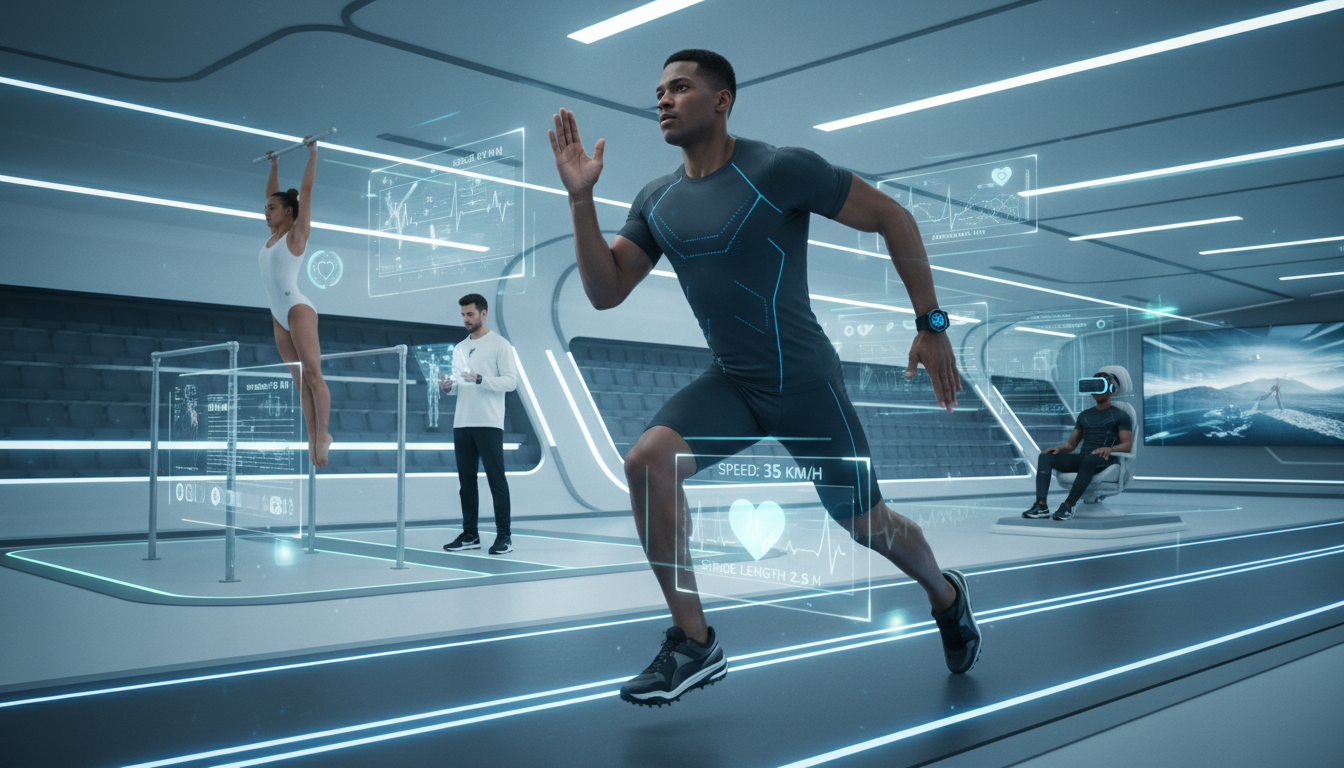
Unlocking Peak Performance: The Power of Sports Technology & Wearable Gear
Imagine a world where every stride, every rep, and every moment of rest is meticulously analyzed to unlock your peak potential. This isn’t science fiction; it’s the reality forged by cutting-edge Sports Technology and revolutionary Wearable Performance Gear. From elite athletes pushing the boundaries of human capability to everyday fitness enthusiasts striving for personal bests, these innovations are reshaping how we train, compete, and recover. They provide unprecedented insights, transforming raw effort into intelligent, data-driven progress. Dive in with us as we explore how these powerful tools are not just accessories, but essential partners in the pursuit of athletic excellence.
The Revolution in Wearable Performance Gear
The proliferation of wearable performance gear has democratized advanced athletic monitoring, making sophisticated data accessible to everyone, from weekend warriors to Olympic hopefuls. Smartwatches and fitness trackers now go far beyond simple step counting, offering comprehensive metrics on heart rate, calorie expenditure, sleep quality, and even blood oxygen levels. These devices provide crucial real-time feedback, empowering users to make immediate, informed adjustments to their workouts and daily routines, optimizing every moment for improved health and performance.
Beyond wrists, smart apparel integrates biometric sensors directly into clothing, creating a seamless and unobtrusive data collection experience. These high-tech fabrics can track muscle activity, posture, running gait, and even detect early signs of fatigue or improper form. Such innovative athletic wearables deliver a continuous stream of actionable insights, ensuring that every movement contributes to a deeper understanding of one’s physical state and progress toward specific goals.
Elevating Training with Advanced Sports Technology
Sports technology has fundamentally altered how athletes approach training, moving beyond traditional methods to embrace highly data-driven strategies. GPS tracking systems provide invaluable insights into speed, distance, acceleration, and even precise movement patterns on a field, allowing coaches to fine-tune training regimens for optimal performance and strategic advantage. This level of precision helps in identifying specific areas for improvement, managing workload effectively, and preventing overtraining.
Furthermore, advanced sensors and analytics monitor critical physiological markers like heart rate variability (HRV) and sleep patterns, offering a holistic view of an athlete’s recovery status and readiness to perform. Virtual reality (VR) and augmented reality (AR) are also emerging as powerful tools, simulating game situations, refining technique, and providing immersive training environments without the physical wear and tear. These technological advancements ensure that every training session is purposeful, scientifically optimized, and contributes directly to peak athletic conditioning.
Injury Prevention and Recovery Through Tech
Minimizing downtime due to injury is paramount for any athlete, and sports technology plays a crucial, often life-changing, role in both prevention and accelerated recovery. Biomechanical analysis tools, utilizing high-speed cameras, motion capture sensors, and force plates, can meticulously identify subtle inefficiencies or imbalances in movement patterns that might lead to injury over time. This proactive approach allows for targeted corrective interventions and personalized exercise prescriptions before significant issues arise, safeguarding an athlete’s career.
When injuries do occur, wearable performance gear and other cutting-edge tech solutions significantly aid in the recovery process. Smart compression garments, for instance, can monitor swelling, apply controlled pressure, and even deliver targeted therapeutic heat or cold. Devices utilizing electrostimulation or focused cryotherapy offer precise, controlled treatments to reduce inflammation, alleviate pain, and promote tissue repair at a cellular level. These innovations collectively shorten recovery times, helping athletes return to peak condition safely, efficiently, and with greater confidence.
The Future Landscape of Sports Innovation
The horizon of sports technology promises even more transformative advancements, pushing the boundaries of what’s possible in athletic achievement and human performance. Artificial intelligence (AI) and machine learning are increasingly being integrated to provide sophisticated predictive analytics, offering hyper-personalized training recommendations, real-time tactical adjustments, and highly accurate injury risk assessments based on vast and complex datasets. Imagine an AI-powered coach that adapts your workout plan dynamically, minute by minute, based on your body’s current state and progress.
Furthermore, the seamless integration of biofeedback systems directly into smart stadiums, training facilities, and even everyday environments will create truly immersive and responsive athletic ecosystems. From personalized nutrition plans generated by AI to augmented reality interfaces guiding technique during a live game, the future of wearable performance gear and broader sports innovation is one of unparalleled hyper-personalization, predictive power, and continuous elevation of human potential, making elite performance more accessible than ever before.
The synergy between Sports Technology and Wearable Performance Gear has undeniably revolutionized the athletic landscape. These tools offer a profound understanding of our bodies and performance, moving us beyond guesswork to precision. By harnessing the power of data, real-time feedback, and intelligent systems, athletes of all levels can unlock new plateaus of capability, ensuring safer training, faster recovery, and more effective progress. Embrace these advancements not merely as gadgets, but as integral components of your journey towards achieving your fullest athletic potential. The future of peak performance is not just within reach; it’s on your wrist, in your shoes, and informing every move you make.
