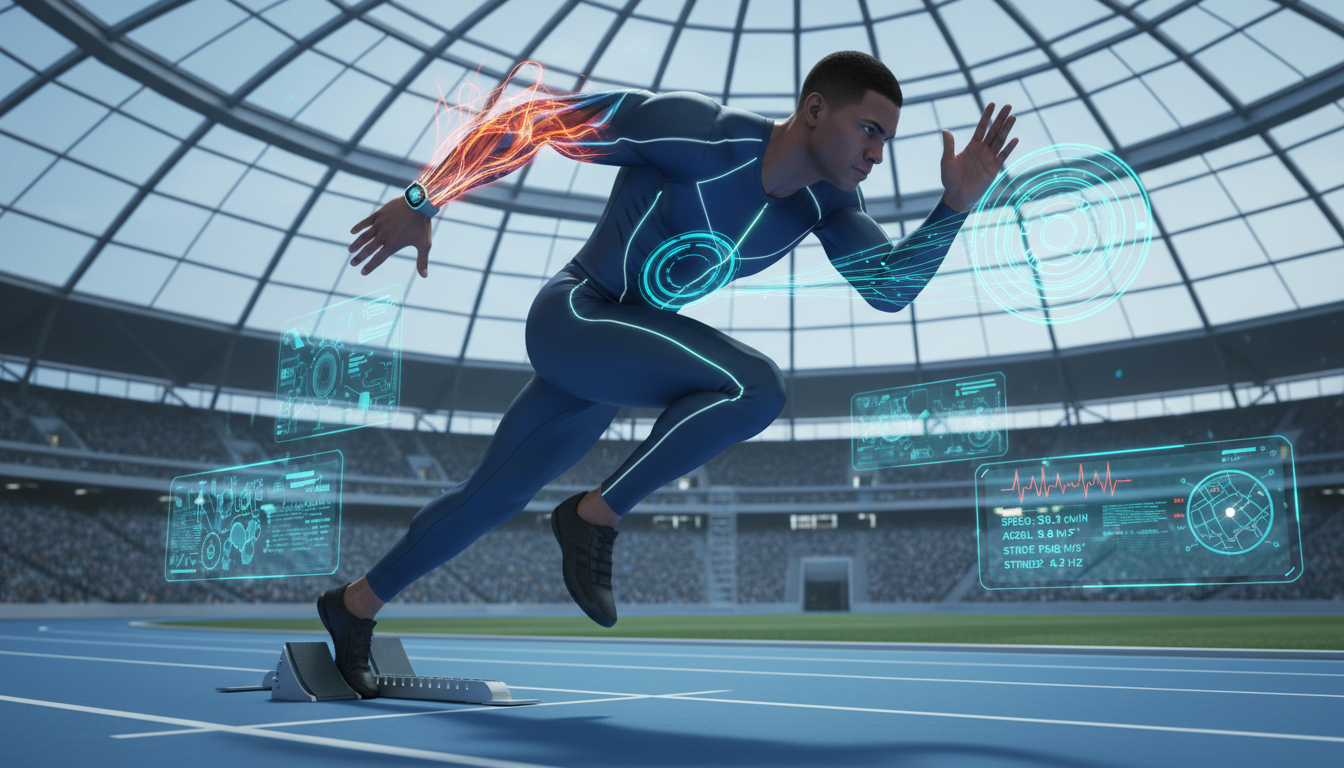
Unlocking Peak Potential: The Revolution of Sports Technology and Wearable Performance Gear
Remember the days when a stopwatch and a good coach were the pinnacle of athletic preparation? That era feels like a distant memory, doesn’t it? Today, the world of sports is undergoing a radical transformation, driven by groundbreaking Sports Technology and sophisticated Wearable Performance Gear. These innovations aren’t just for elite athletes; they’re empowering everyone from weekend warriors to Olympic contenders, offering unprecedented insights into physical performance, training efficacy, and overall well-being. This digital revolution is fundamentally reshaping how we train, compete, and recover, pushing the boundaries of human potential.
The Revolution of Wearable Performance Gear
The most visible face of this technological shift is undoubtedly wearable performance gear. Devices strapped to our wrists, chests, or even integrated into our clothing have become indispensable tools. They continuously monitor a vast array of metrics, providing a digital window into our bodies’ responses to exertion and rest. From GPS-enabled running watches to advanced heart rate variability trackers, these smart devices offer a personalized coaching experience that was once unimaginable.
These sophisticated gadgets go far beyond simple step counting. They track intricate data points like stride length, ground contact time, sleep patterns, and even blood oxygen levels. Athletes can now gain a granular understanding of their physiological responses, allowing for highly optimized training regimens. The real power lies in transforming raw data into actionable intelligence, helping individuals make informed decisions about their physical activity.
Real-time Data for Peak Performance
One of the most significant advantages of modern wearable performance gear is its ability to deliver real-time data. Imagine a marathon runner monitoring their pace and heart rate zone live, or a cyclist adjusting their effort based on power output displayed directly on their handlebars. This immediate feedback loop allows for instantaneous adjustments, ensuring athletes stay within optimal training parameters or execute race strategies flawlessly.
Beyond training, real-time metrics are invaluable during competition. Coaches can make data-driven decisions on substitutions or tactical changes, while athletes can push their limits safely, knowing their vital signs are being continuously monitored. This constant stream of information empowers individuals to fine-tune their performance on the fly, maximizing efficiency and minimizing the risk of overexertion.
As impressive as wearables are, the realm of sports technology extends far beyond the personal device.
Beyond the Wrist: Advanced Sports Technology
While personal wearables are ubiquitous, the broader landscape of sports technology encompasses an even more diverse array of innovations. We’re seeing the emergence of smart apparel with embedded sensors, intelligent sports equipment, and even virtual reality (VR) and augmented reality (AR) applications designed to enhance training environments. These tools integrate seamlessly, creating a comprehensive technological ecosystem around the athlete.
Consider smart apparel that monitors muscle activity or hydration levels directly from the fabric, providing a more intimate data capture than external devices. Or intelligent balls that track spin rate and speed, giving detailed feedback to soccer players and golfers alike. These advancements are transforming how athletes interact with their environment and equipment, turning every practice session into a data-rich experience.
Enhancing Training with Smart Equipment
Smart equipment is revolutionizing how athletes refine their skills and technique. For instance, smart basketballs can track shot arc and release speed, offering objective feedback for improvement. Similarly, smart shoes can analyze running gait and pressure distribution, helping runners identify imbalances and prevent injuries. This level of detail allows for highly personalized and precise training adjustments.
The integration of VR and AR also offers immersive training possibilities. Athletes can simulate game-day scenarios, practice complex plays, or refine motor skills in a controlled, data-rich virtual environment. This not only enhances skill acquisition but also improves decision-making under pressure, preparing athletes for real-world competition like never before.
With such intense training and performance demands, the focus inevitably shifts to preventing injury and optimizing recovery.
Injury Prevention and Recovery through Tech
The relentless pursuit of peak performance often comes with the risk of injury. Fortunately, sports technology is playing a crucial role in safeguarding athlete health and accelerating recovery. Advanced sensors and analytics can detect subtle changes in biomechanics or physiological markers that might indicate impending fatigue or injury risk, allowing for proactive intervention.
From sophisticated motion capture systems that analyze movement patterns to pressure mapping insoles that identify gait irregularities, technology provides early warning signs. Furthermore, the recovery phase has been dramatically enhanced by tech innovations. Smart compression garments, percussive therapy devices, and even cryotherapy chambers are becoming standard tools, all designed to speed up muscle repair and reduce inflammation.
Predictive Analytics for Athlete Health
Leveraging vast datasets collected from wearable performance gear and other monitoring systems, predictive analytics is becoming a game-changer for athlete health. Algorithms can analyze training load, sleep quality, heart rate variability, and other indicators to forecast an athlete’s susceptibility to injury or overtraining. This allows coaches and medical staff to adjust training schedules before problems arise, ensuring long-term athlete well-being.
This proactive approach not only minimizes time lost due to injury but also optimizes an athlete’s career longevity. By understanding individual physiological responses and recovery needs, personalized recovery protocols can be implemented, ensuring athletes return to peak form safely and efficiently. The goal is not just to perform better, but to perform better for longer.
Looking ahead, the trajectory of sports technology promises even more astonishing developments.
The Future Landscape of Sports Innovation
The evolution of sports technology is far from over; in fact, we’re only scratching the surface of its potential. The future promises even more seamless integration, greater personalization, and deeper insights, driven by advancements in artificial intelligence, machine learning, and miniaturization. Imagine truly intelligent training partners and fully personalized wellness ecosystems.
We can anticipate AI-powered coaching platforms that adapt in real-time to an athlete’s performance and physiological state, offering dynamic, hyper-personalized guidance. Bionic enhancements and advanced robotics might further push human capabilities, while virtual and augmented reality will become even more sophisticated, offering unparalleled immersive training and performance analysis. The convergence of biofeedback and digital intelligence will create a new paradigm for athletic development.
The ongoing revolution in Sports Technology and Wearable Performance Gear has irrevocably altered the landscape of athletic endeavor. These tools empower individuals at every level to understand their bodies better, train smarter, prevent injury, and unlock new levels of performance. Embracing these innovations isn’t just about gaining a competitive edge; it’s about fostering a deeper connection with your physical self, optimizing your health, and achieving your personal best, whatever that may be. By staying informed and open to these advancements, you can actively shape your own journey towards peak physical and mental well-being.
