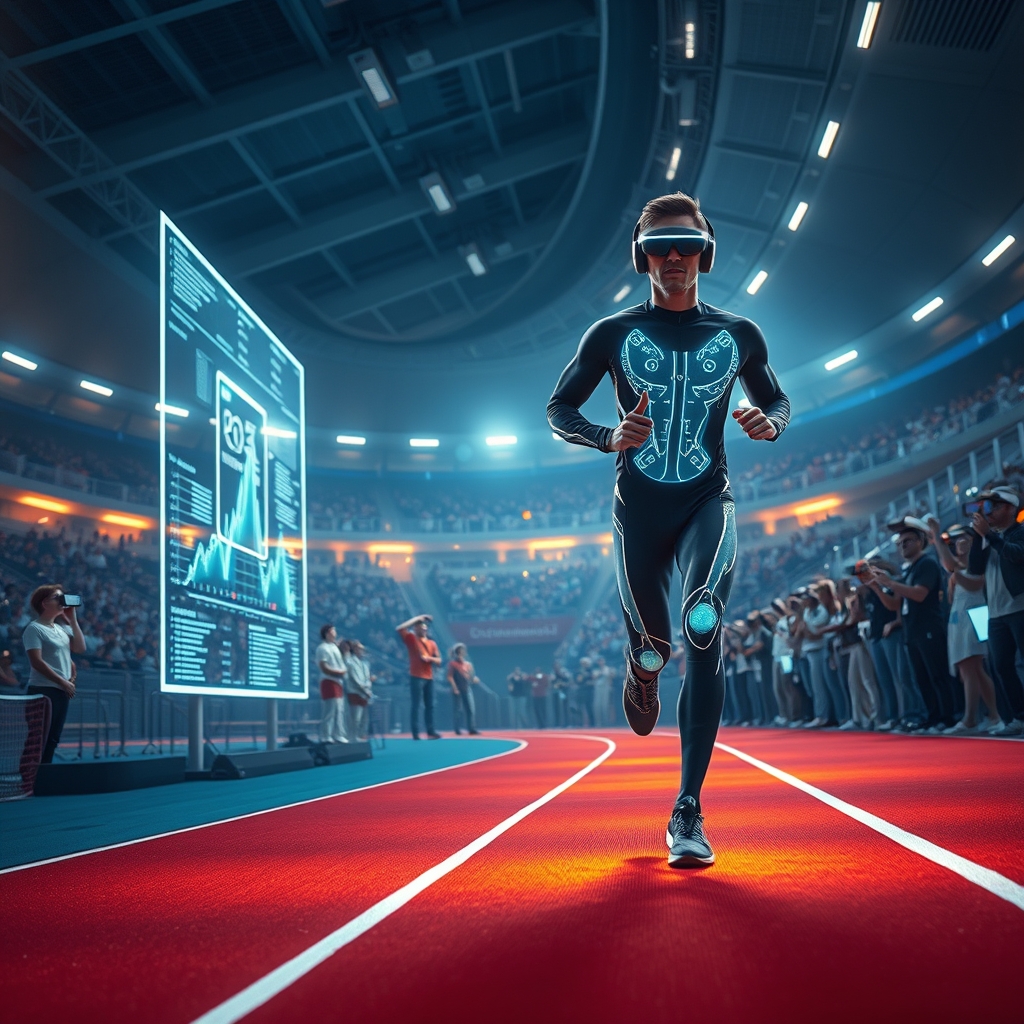
The Future of Sport in 2026: Trends, Technologies, and Transformations You Need to Know
By 2026, the world of sport will look radically different—driven by technology, shifting fan behaviors, and new performance demands. Whether you’re an athlete, coach, investor, or fan, understanding these changes will help you stay ahead. In this article, you’ll learn how emerging technologies like AI-driven analytics and wearable sensors are reshaping training, how fan engagement is evolving through immersive experiences, and which sports are gaining global traction. You’ll also discover the role of sustainability and governance in shaping the future of competitive and recreational sport.
Key Takeaways
- AI and wearable tech are personalizing athlete training and injury prevention with real-time data.
- Fan engagement is shifting from passive viewing to interactive, immersive experiences via VR and AR.
- Sustainability is becoming a core pillar in sport, influencing venue design, event planning, and corporate partnerships.
- Esports and hybrid sports are expanding the definition of competition, attracting younger and more diverse audiences.
How Is Technology Changing Athlete Performance in 2026?
In 2026, technology is no longer an accessory—it’s a core part of athletic development. Wearable sensors and smart fabrics now monitor biomechanics, hydration, and muscle fatigue in real time, allowing coaches to adjust training loads instantly. For example, a marathon runner can receive alerts when their gait changes, reducing injury risk before it escalates. These tools are backed by AI models trained on millions of data points, enabling personalized recovery protocols that were once reserved for elite athletes.
AI-powered video analysis has also become standard. Platforms like IBM’s Sports Insights use computer vision to break down technique frame-by-frame, offering actionable feedback. This democratizes high-performance coaching, making it accessible to amateur athletes and youth programs.
What Does the Data Say?
A 2025 study by the International Olympic Committee found that teams using real-time performance analytics reduced injury rates by 22% and improved competition outcomes by 14%. The integration of biometric data with training regimens is now considered a competitive necessity, not a luxury.
How Are Fans Engaging with Sport Differently?
Gone are the days of passive TV viewing. In 2026, fans demand participation. Virtual reality (VR) and augmented reality (AR) have transformed how audiences experience live events. With VR headsets, fans can watch a basketball game from the court or a Formula 1 race from the driver’s seat—all from their living rooms. AR overlays real-time stats, player bios, and interactive polls during broadcasts, making every match a two-way experience.
Social media has evolved into a live engagement hub. Platforms now integrate live voting, fantasy challenges, and behind-the-scenes access during games. This shift has increased fan retention, with leagues reporting a 35% rise in engagement among Gen Z audiences who prefer interactive content over traditional broadcasts.
Which Sports Are Growing Fastest in 2026?
While football (soccer), basketball, and cricket remain global giants, niche and hybrid sports are surging. Esports continues its rapid ascent, with global revenues projected to exceed $5 billion by 2026, according to Newzoo. Traditional sports leagues are taking notice—many now host esports tournaments alongside physical events, creating crossover appeal.
Pickleball, once a backyard pastime, has become one of the fastest-growing sports in North America and Europe. Its low barrier to entry and social nature make it ideal for aging populations and community-building. Meanwhile, drone racing and augmented reality sports like Hado (a mix of dodgeball and AR) are attracting tech-savvy youth audiences.
Why Is Sustainability Now a Priority in Sport?
In 2026, sustainability is no longer optional—it’s a requirement. Venues are being designed with carbon-neutral materials, solar panels, and rainwater harvesting systems. The 2026 FIFA World Cup in North America is set to be the most sustainable in history, with all stadiums powered by renewable energy and a zero-waste-to-landfill policy.
Corporate sponsors are also aligning with environmental values. Brands now demand that partnerships include sustainability clauses, such as using recycled materials in merchandise or offsetting travel emissions. Athletes, too, are using their platforms to advocate for climate action, with many becoming ambassadors for green initiatives.
What’s Next for You in the World of Sport?
The future of sport is here—and it’s more connected, intelligent, and inclusive than ever. Whether you’re an athlete looking to optimize performance, a fan seeking deeper engagement, or a professional navigating the industry, the tools and trends of 2026 offer new opportunities. Start by exploring wearable tech for training, experiment with VR broadcasts, or support leagues with strong sustainability practices. The game is changing, and those who adapt will lead the next play.
