Elevating the Game: The Synergy of Sports Technology and Wearable Performance Gear

Elevating the Game: The Synergy of Sports Technology and Wearable Performance Gear

In the relentless pursuit of peak performance, athletes and enthusiasts alike are constantly seeking an edge. Gone are the days of relying solely on intuition and raw talent. Today, a revolution is underway, driven by incredible advancements in Sports Technology & Wearable Performance Gear. This dynamic duo is reshaping how we train, compete, and understand the human body’s capabilities, offering unprecedented insights and actionable data that push the boundaries of what’s possible.

The Evolution of Athletic Performance Tracking

From rudimentary stopwatches to sophisticated biometric sensors, the tools for monitoring athletic output have undergone a dramatic transformation. What was once confined to professional labs is now accessible on our wrists and embedded in our apparel, democratizing high-level performance analysis.

Real-time Data for Enhanced Training

Modern sports tech provides a torrent of real-time data, capturing everything from heart rate zones and caloric expenditure to speed, distance, and power output. This immediate feedback loop allows athletes and coaches to make instantaneous adjustments during training sessions, optimizing effort and maximizing gains.

Understanding granular metrics like ground contact time or stroke efficiency enables a level of precision previously unimaginable. This data empowers intelligent training decisions, moving beyond guesswork to evidence-based strategies for improvement.

Precision in Injury Prevention

Beyond tracking performance, wearable performance gear plays a crucial role in safeguarding athletes. Biometric feedback systems can monitor signs of fatigue, muscle strain, or improper form, alerting users to potential risks before they escalate into injuries.

Load monitoring, for instance, helps coaches ensure athletes aren’t overtraining, thereby reducing the incidence of overuse injuries. Accelerometers and gyroscopes embedded in gear can even analyze movement patterns to identify biomechanical inefficiencies, paving the way for corrective exercises and safer athletic careers.

Unpacking Wearable Performance Gear

The term ‘wearable performance gear’ encompasses far more than just smartwatches. It represents an entire ecosystem of devices designed to integrate seamlessly with the athlete’s body and environment, gathering critical information at every turn.

Smart Apparel and Biometric Sensors

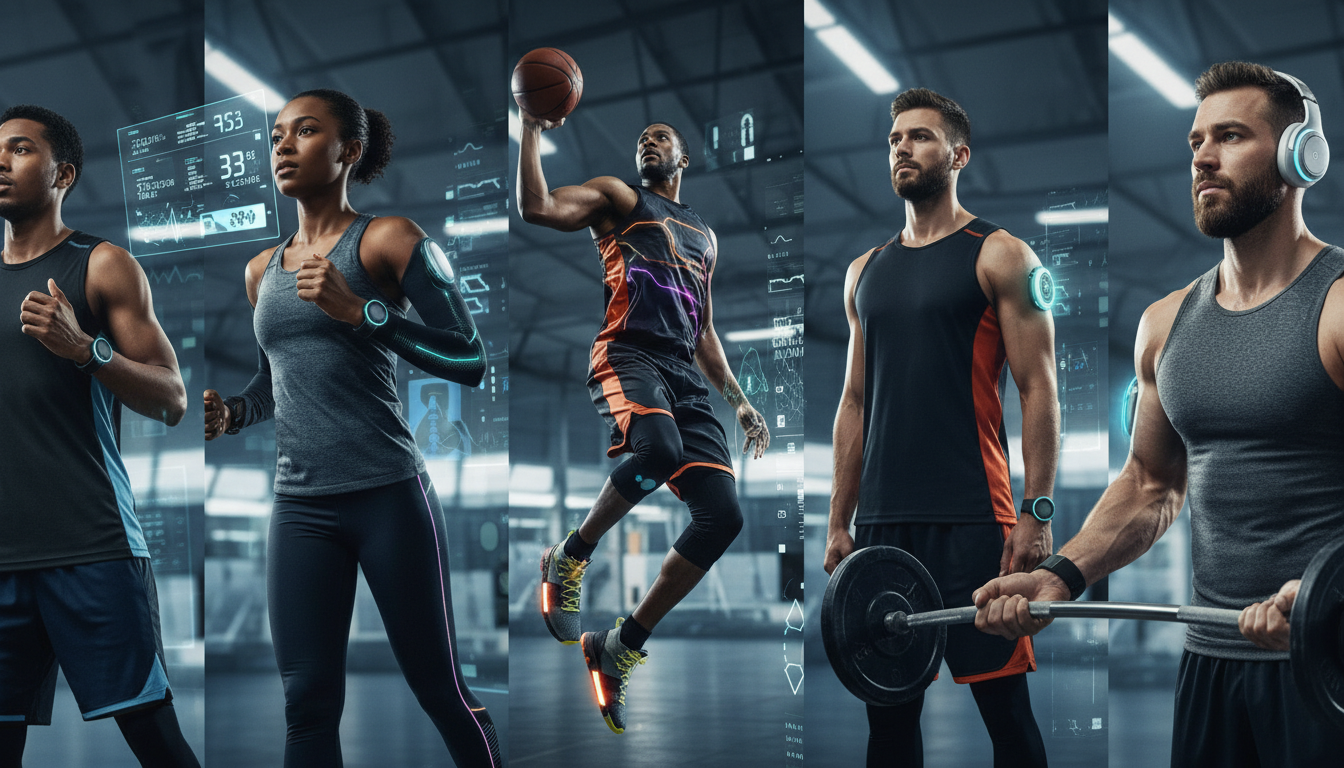
Imagine a running shirt that tracks your breathing rate and posture, or compression shorts that monitor muscle oxygenation. Smart apparel, woven with conductive fibers and miniature sensors, is becoming a reality, capturing nuanced physiological data without discomfort or interference.

These intelligent garments can provide insights into recovery status, hydration levels, and even stress indicators. They offer a holistic view of the body’s state, enabling truly personalized training and recovery protocols.

Advanced Footwear and Equipment Integration

Footwear has become a hub for data collection, with smart shoes measuring impact forces, stride length, and pronation. This information helps runners optimize their gait, choose appropriate footwear, and prevent common foot and ankle injuries.

Similarly, sports equipment is getting smarter. Connected racquets in tennis analyze swing speed and spin, while smart basketballs track shot arc and release points. These innovations transform standard gear into powerful analytical tools, offering immediate feedback on technique.

The Impact on Professional and Amateur Athletes

The benefits of advanced sports technology resonate across the entire spectrum of athletic engagement, from elite professionals vying for championships to weekend warriors striving for personal bests.

Strategic Advantage Through Analytics

Professional sports teams now employ entire analytics departments dedicated to processing the vast amounts of data generated by wearable performance gear. This data informs everything from game strategy and opponent scouting to individual player development and injury management.

Coaches can make data-driven decisions about player rotation, training intensity, and tactical adjustments, gaining a crucial competitive edge. The ability to quantify performance removes much of the subjectivity, leading to more objective and effective strategies.

Empowering Everyday Fitness Enthusiasts

For the amateur athlete, these technologies provide powerful motivation and accountability. Tracking progress, setting achievable goals, and seeing tangible improvements can significantly enhance the fitness journey, making exercise more engaging and rewarding.

From personalized workout plans generated by AI to virtual coaching that adapts to real-time performance, advanced sports tech makes elite-level training methodologies accessible to everyone. It empowers individuals to take control of their health and fitness with informed choices.

The Future Landscape of Sports Technology

The pace of innovation in sports technology shows no signs of slowing. We are on the cusp of even more groundbreaking developments, integrating artificial intelligence, machine learning, virtual reality, and augmented reality into the athletic experience.

Personalized Coaching and Immersive Training

Imagine AI-powered coaches that analyze your technique in real-time, offering instant, hyper-personalized feedback and adjusting your workout plan on the fly. Virtual reality could transport athletes to simulated game environments, allowing them to practice complex scenarios without physical wear and tear.

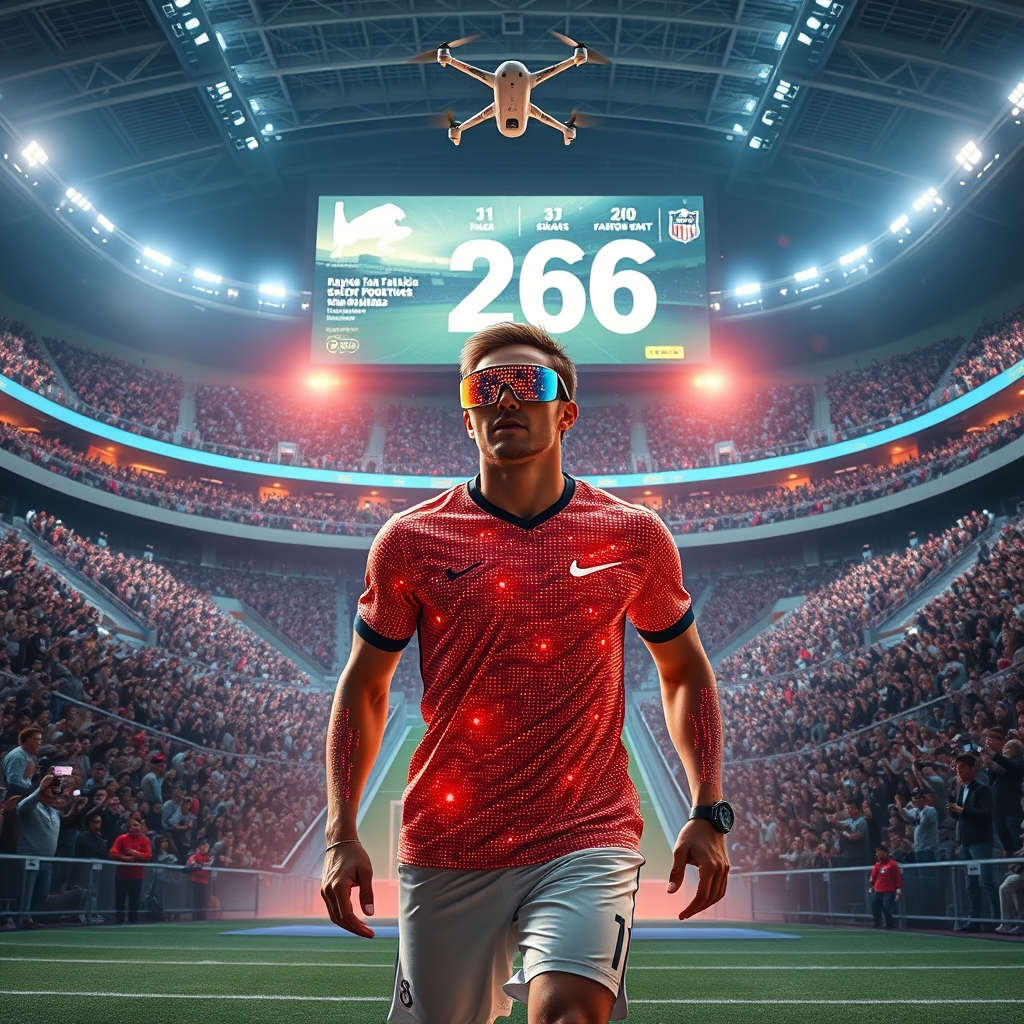
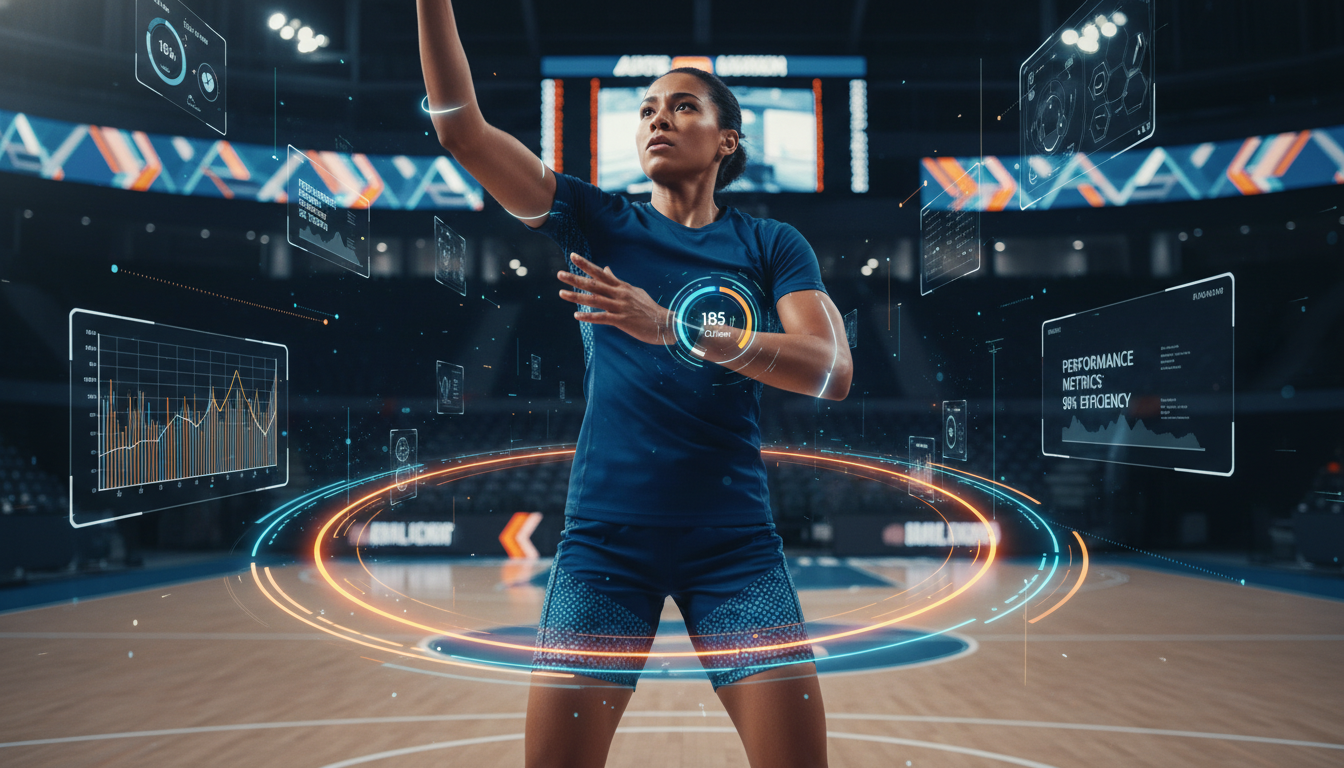
Augmented reality overlays could provide real-time performance metrics directly in an athlete’s field of vision during training or competition. These immersive technologies promise to make training more engaging, effective, and tailored than ever before.

Ethical Considerations and Data Privacy

As sports technology advances, so too do the discussions around ethical considerations and data privacy. Ensuring the secure handling of sensitive biometric data and establishing clear guidelines for its use will be paramount in maintaining athlete trust and fostering continued innovation.

The balance between maximizing performance insights and respecting individual privacy will be a key area of focus as these technologies become even more integrated into our lives. Responsible development and clear communication will pave the way for a future where technology truly serves the athlete.

Embracing the advancements in sports technology and wearable performance gear is no longer an option but a necessity for anyone serious about optimizing their athletic potential. These tools offer an unparalleled window into our physical capabilities, transforming how we approach training, recovery, and competition. By harnessing the power of data and innovation, athletes at every level can unlock new levels of performance, enjoyment, and longevity in their chosen pursuits, continually redefining what it means to be at the top of their game.

The Game-Changing Impact of Sports Technology and Wearable Performance Gear

The Game-Changing Impact of Sports Technology and Wearable Performance Gear

Are you looking to unlock your full athletic potential, improve your fitness, or simply gain a deeper understanding of your body’s performance? The world of sports is undergoing a profound transformation, driven by incredible advancements in Sports Technology. From elite athletes pushing the boundaries of human achievement to everyday fitness enthusiasts striving for personal bests, the integration of cutting-edge tools and particularly, sophisticated Wearable Performance Gear, is revolutionizing how we train, compete, and recover. This digital revolution offers unprecedented insights, making personalized coaching and real-time feedback more accessible than ever before.

The Evolution of Athletic Performance Tracking

Gone are the days when training relied solely on intuition and stopwatch timings. Modern athletic development is increasingly data-driven, thanks to the continuous innovation in sports tech. These advancements provide objective metrics that help athletes and coaches make informed decisions, optimizing every aspect of their regimen.

From Basic Trackers to Advanced Biometrics

Initially, wearable devices were simple pedometers or basic heart rate monitors. While revolutionary in their time, today’s wearable performance gear has evolved into highly sophisticated instruments capable of capturing a vast array of biometric data. These devices move beyond simple step counts, offering a comprehensive look into physiological responses and performance markers.

Current generation wearables integrate GPS for precise location tracking, accelerometers for movement analysis, and optical sensors for heart rate variability (HRV) and blood oxygen levels. This rich data stream empowers users to monitor their exertion, understand recovery needs, and even detect early signs of potential overtraining or illness.

Unpacking Wearable Performance Gear

The landscape of wearable performance gear is diverse, encompassing a wide range of devices designed for specific functions and user needs. Each piece plays a crucial role in painting a complete picture of an individual’s physical state and performance metrics.

Smartwatches and Fitness Bands: Your Personal Coaches

Smartwatches and dedicated fitness bands remain at the forefront of popular wearable technology. These ubiquitous devices track daily activity, monitor sleep patterns, measure stress levels, and offer guided workouts. They serve as a constant companion, providing motivation and actionable insights directly from your wrist.

For many, these devices act as a personal coach, offering reminders to move, celebrating milestones, and providing summaries of daily and weekly performance. Their intuitive interfaces make complex data digestible, empowering users to take charge of their health and fitness journey.

Sensor-Embedded Apparel: The Next Frontier

Beyond wrist-worn devices, sensor-embedded apparel represents an exciting next step in sports technology. Imagine compression shirts that monitor muscle activation, smart shorts that analyze running gait, or socks that track foot pressure. These intelligent garments provide unobtrusive, real-time data directly from the body.

This innovative smart apparel offers a deeper understanding of biomechanics and physiological responses during activity. By integrating sensors directly into clothing, athletes can receive feedback on form, posture, and muscle fatigue without the need for additional bulky equipment, leading to more efficient and safer training.

Advanced Monitoring Devices: Beyond the Wrist

Specialized sports technology extends far beyond wristbands and smart clothing. GPS trackers are indispensable for team sports, providing coaches with insights into player movement, speed, and workload across the field. Smart insoles offer detailed foot strike analysis, crucial for runners and athletes in high-impact sports.

Furthermore, innovative devices like concussion sensors integrated into helmets are enhancing player safety by providing objective data on impacts. These tools collectively contribute to a holistic approach to athletic development, offering granular data points that were once impossible to capture outside of laboratory settings.

The Impact on Training, Recovery, and Injury Prevention

The true power of sports technology lies in its ability to transform raw data into actionable insights. By leveraging the information gathered from wearable performance gear, athletes and coaches can make more precise adjustments to training, optimize recovery protocols, and proactively mitigate the risk of injuries.

Optimizing Training Regimens

Data-driven training allows for highly personalized workout plans. Athletes can track their progress, identify areas for improvement, and adjust their intensity based on real-time physiological feedback. This ensures that every training session is productive, pushing boundaries without leading to overtraining.

Coaches utilize performance analytics from these devices to manage training load, identify fatigue, and tailor strategies for individual players or entire teams. This precision coaching maximizes performance gains while minimizing wasted effort and potential setbacks.

Accelerating Recovery and Minimizing Downtime

Effective recovery is as crucial as intense training. Wearable performance gear provides vital metrics like sleep quality, heart rate variability, and resting heart rate, which are key indicators of the body’s recovery status. Understanding these metrics helps athletes prioritize rest and implement targeted recovery strategies.

By monitoring recovery markers, athletes can make informed decisions about when to push harder and when to scale back. This proactive approach ensures the body is adequately prepared for the next challenge, reducing the likelihood of fatigue-related performance dips.

Proactive Injury Prevention

One of the most significant benefits of advanced sports technology is its role in injury prevention. By continuously monitoring biomechanics, load, and fatigue levels, wearables can highlight potential imbalances or stress points before they manifest as injuries. This allows for timely interventions, such as adjusting form or incorporating specific strengthening exercises.

The ability to detect subtle changes in movement patterns or physiological responses acts as an early warning system. Embracing this data-driven approach significantly reduces the incidence of common sports injuries, keeping athletes healthier and on the field or court longer.

The Future Landscape of Sports Tech Innovation

The rapid pace of innovation suggests an even more exciting future for sports technology. We are on the cusp of seeing further integration of artificial intelligence (AI) to provide even more sophisticated predictive analytics and hyper-personalized coaching. Virtual reality (VR) and augmented reality (AR) are beginning to offer immersive training environments and real-time visual feedback.

Imagine AI-powered assistants analyzing your gait in real-time through AR glasses, suggesting immediate corrections, or VR simulations that mimic game-day pressure. As these technologies mature, the line between physical and digital training will blur, offering unprecedented opportunities for performance enhancement and holistic athlete development.

Embracing the advancements in sports technology and wearable performance gear is no longer an option but a strategic imperative for anyone serious about improving their athletic journey. By harnessing the power of data, you can gain unparalleled insights into your body, optimize your training, accelerate your recovery, and proactively safeguard against injuries, ultimately unlocking a higher level of performance and well-being. Start exploring how these intelligent tools can empower your personal fitness evolution today.

The Future of Athleticism: How Sports Technology and Wearable Performance Gear are Redefining Human Potential

The Future of Athleticism: How Sports Technology and Wearable Performance Gear are Redefining Human Potential

In an era where every millisecond and every movement can define success, athletes and fitness enthusiasts are constantly seeking an edge. What if you could unlock unprecedented insights into your body’s performance, optimize every training session, and accelerate recovery with scientific precision? Welcome to the revolution driven by Sports Technology and Wearable Performance Gear, transforming how we train, compete, and understand human potential. This isn’t just about gadgets; it’s about a symbiotic relationship between human effort and intelligent data, pushing the boundaries of what’s possible.

The Evolution of Athletic Performance Tracking

Gone are the days when a stopwatch and a notepad were the pinnacle of athletic monitoring. Today, sophisticated sensors and advanced algorithms provide an unparalleled look into an athlete’s physiological state and mechanical efficiency. This constant flow of data empowers individuals to make informed decisions about their training regimens.

Real-time Data for Peak Performance

Modern athletic tech, from GPS trackers to advanced heart rate monitors and cadence sensors, offers immediate feedback during workouts. Athletes can instantly see their pace, distance, heart rate zones, and power output, allowing for on-the-fly adjustments to optimize effort and prevent overtraining.

This instant data visualization isn’t just for elite athletes; recreational runners, cyclists, and gym-goers benefit immensely. Understanding how your body responds in real-time is crucial for achieving specific fitness goals and maintaining consistent performance levels.

Advanced Biometrics and Predictive Analytics

Beyond basic metrics, cutting-edge sports technology delves into deeper biometrics like VO2 max estimation, lactate threshold tracking, and even detailed sleep analysis. These advanced insights paint a holistic picture of an athlete’s health and readiness.

Furthermore, artificial intelligence and machine learning are now being applied to this vast dataset. This enables predictive analytics for injury risk assessment and the creation of hyper-personalized training programs, moving beyond one-size-fits-all approaches.

Wearable Performance Gear: Beyond the Wrist

While smartwatches dominate the wearable market, the scope of wearable performance gear extends far beyond wrist-based devices. Innovation is integrating technology seamlessly into every aspect of an athlete’s equipment and apparel, making it almost invisible yet incredibly powerful.

Smart Apparel and Footwear

Imagine compression garments woven with sensors that track muscle activity, posture, and even hydration levels. Smart shoes can analyze your gait, foot strike patterns, and impact forces in real-time, offering crucial data for runners to improve efficiency and reduce injury risk.

This integration means that the technology works in harmony with the body, providing accurate data without hindering movement or comfort. It’s about enhancing the natural human form with intelligent capabilities.

Concussion Prevention and Injury Mitigation

In contact sports, injury prevention is paramount. Smart helmets equipped with impact sensors can detect and quantify forces, alerting coaches and medical staff to potentially dangerous collisions. This data is vital for making informed decisions about player safety.

Other biofeedback devices and smart guards are emerging to protect vulnerable areas, offering proactive monitoring and early warning systems. This focus on safety underscores the ethical and practical advancements in sports technology.

Enhancing Training and Recovery with Cutting-Edge Sports Tech

The journey of an athlete doesn’t end when the workout finishes. Modern sports tech supports the entire cycle of training, competition, and crucial recovery, ensuring sustained performance and longevity.

Virtual Reality and Augmented Reality in Training

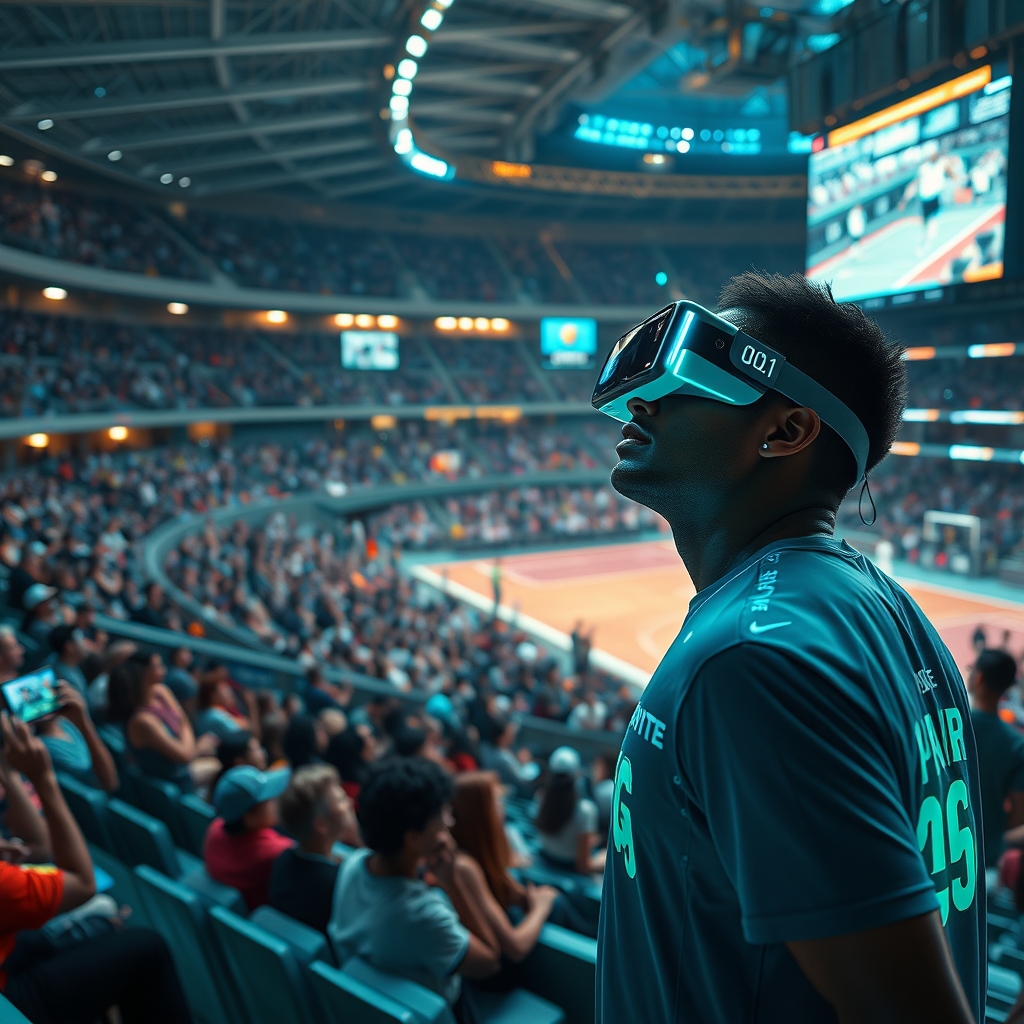
VR and AR are transforming training environments, allowing athletes to practice in simulated conditions, refine complex motor skills, or even compete against virtual opponents. This immersive training provides a safe space for skill development and strategic planning.

From golfers perfecting their swing in a virtual range to basketball players running drills with augmented reality overlays, these technologies offer engaging and highly effective ways to build expertise and mental fortitude.

Accelerated Recovery and Rehabilitation

Recovery is just as critical as training. Devices like smart percussion massagers, targeted cold therapy systems, and biofeedback-driven recovery tools help athletes reduce muscle soreness, improve circulation, and accelerate tissue repair. These innovations optimize physiological restoration.

Monitoring sleep patterns and stress levels through wearables also plays a vital role in recovery. By understanding these metrics, athletes can tailor their rest periods and nutritional intake to maximize their body’s ability to bounce back stronger.

Choosing the Right Sports Technology for Your Goals

With an overwhelming array of options, selecting the right sports technology and wearable performance gear can seem daunting. The key is to align your choices with your specific athletic aspirations and personal needs.

Understanding Your Needs

Before investing, ask yourself what you aim to achieve. Are you looking to improve speed, build endurance, prevent injuries, or simply gain a deeper understanding of your overall fitness? Different technologies cater to different objectives, so clarity here is essential.

Consider your sport, your level of activity, and your budget. A professional athlete’s needs will differ significantly from a weekend warrior’s, but both can benefit from smart, data-driven insights.

Integration and User Experience

A seamless user experience is crucial. Ensure that the devices you choose can integrate with your existing platforms or other wearables to create a cohesive data ecosystem. Easy-to-understand data visualization and intuitive interfaces will maximize the utility of your tech.

Ultimately, the goal is to empower you with information that drives action, not to overwhelm you with complex data. Look for products that simplify insights and offer actionable recommendations to truly elevate your performance journey.

The landscape of sports technology and wearable performance gear continues to expand at an astonishing pace, offering unprecedented opportunities for athletes of all levels. By embracing these intelligent tools, you gain a powerful ally in your pursuit of excellence, transforming raw effort into optimized performance and a deeper connection with your body’s incredible capabilities. Explore the innovations available and discover how they can help you redefine your personal best, every single day.